Showing posts with label supplements. Show all posts

Thursday, December 15, 2016

Rutin May Be the New Super-Supplement on the Block

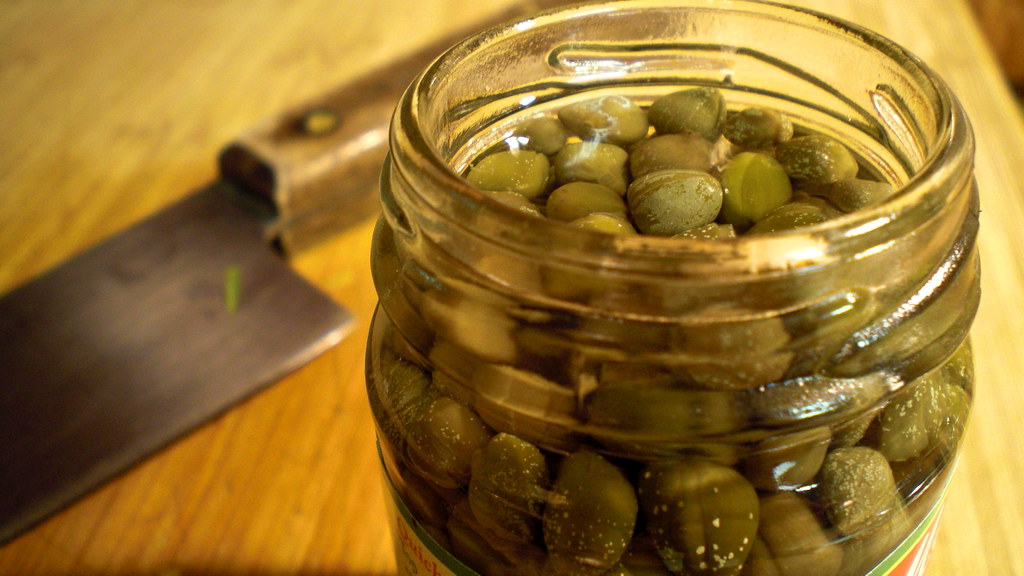
https://c5.staticflickr.com/4/3574/3292119124_388215e742_b.jpg
capers are the best food source of rutin

A recent headline proclaimed, "Mulberry extract activates brown fat, shows promise as obesity treatment." Beneath the headline, the text read:
Good news for those who want to activate their brown fat (or BAT, brown adipose tissue) without having to be cold: New research suggests that a natural compound in mulberries, called "rutin," can activate the BAT in our bodies to increase metabolism and facilitate weight loss.
So I went to the research article on which the Science Daily article was based: "Rutin ameliorates obesity through brown fat activation."
Abstract
Increasing energy expenditure through activation of brown adipose tissue (BAT) is a critical approach to treating obesity and diabetes. In this study, rutin, a natural compound extracted from mulberry and a drug used as a capillary stabilizer clinically for many years without any side effects, regulated whole-body energy metabolism by enhancing BAT activity. Rutin treatment significantly reduced adiposity, increased energy expenditure, and improved glucose homeostasis in both genetically obese (Db/Db) and diet-induced obesity (DIO) mice. Rutin also induced brown-like adipocyte (beige) formation in subcutaneous adipose tissue in both obesity mouse models. Mechanistically, we found that rutin directly bound to and stabilized SIRT1, leading to hypoacetylation of peroxisome proliferator-activated receptor γ coactivator-1α protein, which stimulated Tfam transactivation and eventually augmented the number of mitochondria and UCP1 activity in BAT. These findings reveal that rutin is a novel small molecule that activates BAT and may provide a novel therapeutic approach to the treatment of metabolic disorders.
We know the being cold can cause this activation of BAT, and we know that fish oil can also activate metabolism of brown fat. Rutin is the new kid on the block for this function.

I was intrigued, so I did a Google Scholar search for Rutin. Here are a few of the titles that came up:
Wikipedia says this about rutin:

Rutin can act as a powerful antioxidant, especially with iron ions, preventing them from binding with hydrogen peroxide and preventing it from becoming a highly reactive free radical.
Furthermore, it has been shown to inhibit in vitro the vascular endothelial growth factor[9] in subtoxic concentrations, so acts as an inhibitor of angiogenesis. This finding may have potential relevance for the control of some cancers.

The cannabinoid mediated antidepressant activity of rutin shown in mice models employing weight-loaded forced swim test. Rutin treatment showed upregulation of CB1 receptors in mouse brain tissue demonstrating antifatigue activity and CB1 receptor-interacting proteins. Further, in brain tissues, an increase in expression of peroxisome proliferator-activated receptor-α coactivator (PGC-1α) and sirtuin 1 (SIRT1) was also demonstrated. Integrating together the cannabinoid, PPAR-γ, and opioid receptor activities, rutin may be a potential multitargeted polypharmacological agent in prevention and treatment of diseases involving dysregulation of PPAR and ECS.[10]
Animal research

While a body of evidence for the effects of rutin and quercetin is available in mice,[11] rats,[12] hamsters,[13] and rabbits,[14] as well as in vitro studies,[15] no clinical studies directly demonstrate significant, positive effects of rutin as dietary supplement in humans.

  • Rutin inhibits platelet aggregation,[16] as well as decreases capillary permeability, making the blood thinner and improving circulation.[citation needed]
  • Rutin shows anti-inflammatory activity in some animal and in vitro models.[17][18]
  • Rutin inhibits aldose reductase activity.[19] Aldose reductase is an enzyme normally present in the eye and elsewhere in the body. It helps change glucose into the sugar alcohol sorbitol.
  • Recent studies show rutin could help prevent blood clots, so could be used to treat patients at risk of heart attacks and strokes.[20]
  • Some evidence also shows rutin can be used to treat hemorrhoids, varicosis, and microangiopathy.[21]
  • Relatively high amount of rutin increases thyroid iodide uptake in rats and decreases serum T3 and T4 level. The decreased hormone level can be explained by its inhibitory effect produced on Thyroid peroxidase enzyme (TPO).[22]
  • Rutin is also an antioxidant;[23] compared to quercetin, acacetin, morin, hispidulin, hesperidin, and naringin, it was found to be the strongest.[24][unreliable source?] [25] However, in other trials, the effects of rutin were lower or negligible compared to those of quercetin.[26][27]
  • Rutin produces antinociceptive effects involving central modulation of the vlPAG descending circuit partly mediated by an opioidergic mechanism [28]
Hydroxyethylrutosides, synthetic hydroxyethyl acetylations of rutin, are used in the treatment of chronic venous insufficiency.
Food sources of rutin - approximate rutin content per 100g of selected foods, based on the Phenol-Explorer database:
332 mg Capers, spice
45 mg Olive [Black], raw
36 mg Buckwheat, whole grain flour
23 mg Asparagus, raw
19 mg Black raspberry, raw
11 mg Red raspberry, raw
9 mg Buckwheat, groats, thermally treated
6 mg Buckwheat, refined flour
6 mg Greencurrant
6 mg Plum, fresh
5 mg Blackcurrant, raw
4 mg Blackberry, raw
A little more digging and I found this article, "The Pharmacological Potential of Rutin," by Aditya Ganeshpurkar and Ajay K. Saluja, in Saudi Pharmaceutical Journal, posted online 30 April 2016.

The following extract from the article documents the many and varied health benefits of rutin (with links to the original research articles). This is quite an impressive list.

2. Pharmacological actions

2.1. Central nervous system
2.1.1. Prevention of neuroinflammation


Rutin has demonstrated the neuroprotective effect on brain ischemia. Administration of rutin caused attenuation of ‘ischemic neural apoptosis’ due to the embarrassment of p53 expression and lipid peroxidation along with increment in ‘endogenous antioxidant defense enzymes’ (Khan et al., 2009). It has been found to be useful in hypoxic, glutamate and oxidative stress (Pu et al., 2007). Reduction of ‘neuroinflammation’ in rat model of ‘sporadic dementia of Alzheimer type’ (Javed et al., 2012) and neuroprotective effects in ‘dexamethasone-treated mice’ (Tongjaroenbuangam et al., 2011) were observed on rutin administration.

2.1.2. Promotion of neural crest cell survival
The neural crest is progenitor comprising of neural and mesenchymal potentials. Treatment of rutin to trunk neural crest cells increased their viability without altering cell differentiation and proliferation which could be due to modulation of ERK2 and PI3K pathways (Nones et al., 2012).

2.1.3. Sedative activity

CNS and behavioral activity of rutin were on hole board, thiopental-induced sleeping time and locomotor activity tests in mice. Rutin, given by intraperitoneal route caused a depressant action on the CNS. Research confirmed the CNS depressant activity of rutin was unlikely due to the involvement of GABAA receptor (Fernández et al., 2006).

2.1.4. Anticonvulsant activity

Rutin also possesses anticonvulsant activity and seems to be safe for patients with epilepsy as it does not alter the activity of any of the administered antiepileptic drugs nor demonstrates any adverse effects (Nieoczym et al., 2014).

2.1.5. Anti-Alzheimer activity and treatment of hyperkinetic movement disorder

Rutin suppressed activity of proinflammatory cytokines by diminishing TNF-α and IL-1β production in microglia. Such an effect seems to be useful in the treatment of Alzheimer’s disease as evident by prevention of β-amyloid oligomeric cytotoxicity (Wang et al., 2012). Rutin caused attenuation of streptozotocin-induced inflammation by decreasing the activity of the glial fibrillary acidic protein, interleukin-8, cyclooxygenase-2, inducible nitric oxide synthase and nuclear factor-kB and thereby prevented gross anatomical changes in rat hippocampus. Such an effect could be useful in averting cognitive deficits and proves to be beneficial in the treatment of ‘sporadic dementia of Alzheimer type’ (Javed et al., 2012).

‘Tardive dyskinesia’ is a motor disorder of the orofacial region raised due to chronic treatment with neuroleptic drugs, and is considered as a chief clinical concern in the treatment of schizophrenia. In a study, in haloperidol-induced orofacial dyskinesia, rutin treatment reversed behavioral changes such as orofacial dyskinetic movements, stereotypic rearing, locomotor activity, and percent retention along with restoration of biochemical and neurochemical parameters. Thus, rutin seems to be a lead molecule in the treatment of hyperkinetic movement disorder (Bishnoi et al., 2007).

2.1.6. Antidepressant effects

Forced swimming test and tail suspension test in mice were utilized to analyze ‘antidepressant-like effects’ of rutin isolated from Schinus molle. There was a reduction in the immobility time in the tail suspension test. There was no alteration in locomotor activity. Studies demonstrated the antidepressant-like effect of rutin mediated due to increasing the availability of serotonin and noradrenaline in the synaptic cleft ( Machado et al., 2008).

2.1.7. Stroke

Stroke could be regarded as a decisive public health issue that seems to be an important cause of fatality and disability in adults globally (Lloyd-Jones et al., 2009). Oxidative stress and inflammation are two of the pathological events observed after ‘ischemic injury’ in the brain (Deb et al., 2010). Protective effect of rutin an animal model of focal cortical ischemia induced by unilateral thermocoagulation of superficial blood vessels of the motor (M1) and somatosensory (S1) primary cortices was studied. Rutin administration significantly promoted recovery of sensorimotor loss which was observed due to the reduction of neurodegeneration in the periphery of cortical injury (Ortolani et al., 1995).

2.2. Analgesic and antiarthritic activities
2.2.1. Analgesic and antinociceptive effects


Analgesic effect of rutin was studied by hot plate test on swiss albino mice whereby the analgesic effect of rutin was established (Rylski et al., 1979). Further, it was also confirmed that rutin exhibited peripheral and central antinociceptive activities (Selvaraj et al., 2014).

2.2.2. Antiarthritic effects

Animals treated with rutin were observed with significant decrement in rheumatoid arthritis and Fanconi anemia by inhibiting ‘oxygen radical overproduction’ (Ostrakhovitch and Afanas’ev, 2001). In adjuvant arthritis rat model, rutin inhibited acute and chronic phases of inflammation. Rutin was the most active in the chronic stage of inflammation (Guardia et al., 2001). Due to antifungal and anti-arthritic effects, rutin has a therapeutic effect on septic arthritis caused by Candida albicans ( Han, 2009). Further in an independent study, rutin slowed down inflammatory and catabolic cartilage markers in osteoarthritic lesions in the Hartley guinea pig (Horcajada et al., 2014).

2.3. Endocrine system
2.3.1. Antidiabetic effects


Streptozotocin is a toxic chemical known to deplete levels of insulin by destroying pancreatic islets. Streptozotocin selectively assaults pancreatic β-cells by generating free radicals of oxygen and nitrogen monoxide along with reducing levels of NAD and NADP. Excessive production of glucose and its decreased utilization by tissues serve as the fundamental bases of hyperglycemia (Chattopadhyay, 1993). In a study, chronic administration of rutin in streptozotocin-induced diabetic rats caused a decrement in plasma glucose, augmentation in insulin levels, and restitution of glycogen content and glycolytic enzymes. Significant rejuvenation of pancreatic islets along with diminished fatty infiltrate was observed in rutin-treated diabetic rats (Stanley Mainzen Prince and Kamalakkannan, 2006 and Srinivasan et al., 2005). Diminution of fasting plasma glucose, glycosylated hemoglobin, C-peptide, and malondialdehyde levels was observed in rutin treated streptozotocin diabetic rats (Kamalakkannan and Prince, 2006). Rutin averted the levels of enzymes viz. ALT, AST, and LDH in the serum, liver, and heart demonstrating a protective effect on hepatic (Fernandes et al., 2010) and cardiac toxicity (Krishna et al., 2005) associated due to streptozotocin. Alteration in the activity of matrix metalloproteinase and protection to kidney against streptozotocin-induced damage was observed (Kamalakkannan and Stanely Mainzen Prince, 2006). Rutin stimulated glucose uptake in the soleus muscle, and effect was thought to be mediated through extracellular calcium and calcium-calmodulin-dependent protein kinase II activation. Increase in intracellular calcium concentration is involved in DNA activation which was mediated by rutin (Kappel et al., 2013). Rutin added for glycemic control via enhancement of insulin receptor kinase activity, thus aided in promoting ‘insulin signaling pathway’ that caused increased GLUT4 translocation and augmented glucose uptake (Hsu et al., 2014).

2.3.2. Anti-hypercholesterolemic effects

Rutin is a ‘selective and non-toxic modulator’ of hypercholesterolemia. In a study conducted on diet-induced hypercholesterolemic Golden Syrian hamster model, rutin significantly reduced plasma triglyceride levels in experimental animals (Kanashiro et al., 2009). Along with this, rutin also caused a decrement in levels of total cholesterol and HDL cholesterol (da Silva et al., 2001).

In a high-cholesterol diet fed male wistar rats, rutin administration demonstrated protective effect against the hepatotoxicity as evident by decrement of the plasma level of alanine transaminase (ALT), aspartate aminotransferase (AST), triglyceride (TG), total cholesterol (TC), and low-density lipoprotein (LDL) (Al-Rejaie et al., 2013). In another study, it was established that chronic consumption of flavonoids such as rutin could be favorable to cardiovascular health (Kalgaonkar et al., 2010).

2.3.3. Thyroid uptake promotion

‘Thyroid iodide uptake’ mediated via sodium-iodide symporter plays a pivotal role in thyroid hormone biosynthesis and also plays a key role in diagnosis and treatment of various thyroid diseases. However, some of the patients with thyroid cancer are obstinate to radioiodine therapy, which reduced iodine uptake ability, that remarkably reduces the probability of endurance. Thus, it becomes necessary to search for natural agents that aid in the uptake of thyroid iodide.

In a study, rutin caused a minor reduction in levels of serum T4 and T3 without changing serum thyrotropin. There was a significant increase in hypothalamic, pituitary and brown adipose tissue type 2 deiodinase along with the diminution of liver type 1 deiodinase activities. Administration of rutin was observed with increment in thyroid iodide uptake that could be due to an elevation in the activity of sodium-iodide symporter. The study demonstrates the effectiveness of rutin as an adjuvant in radioiodine therapy (Gonçalves et al., 2013).

2.4. Cardiovascular system
2.4.1. Hypertension


Buckwheat, a rich source of rutin is found to prevent oxidative damage in ‘aortic endothelial cells’ by lowering nitrotyrosine immunoreactivity. Germinated extract of buckwheat demonstrated antihypertensive effect and possibly shelter ‘arterial endothelial cells’ by detrimental effects of oxidative stress (Kim et al., 2009). Reduction in oxidative stress due to rutin, when administered by oral route, is the key reason for the restoration of ‘impaired baroreflex sensitivity’ and ‘vascular reactivity’ in hypertensive rats (Mendes-Junior et al., 2013). By augmenting NO production in human endothelial cells, rutin improved endothelial functions (Ugusman et al., 2014).

2.4.2. Blood coagulation

Chan et al. (2009) attempted to study effects of the rutin on the anticoagulant activity of oral warfarin and the protein binding along with pharmacokinetics of its enantiomers in rats. Rutin enhanced the in vitro serum protein binding of S- and R-warfarin. Rutin treatment significantly decreased the elimination half-life of S-warfarin by 37% as a result of the 69% increase in unbound clearance of the S-enantiomer. In a nutshell, concomitant administration of rutin possibly reduces the anticoagulant effect of racemic warfarin (Chan et al., 2009).

2.4.3. Antiplatelet aggregatory effect

Rutin in vitro caused concentration-dependent inhibition of platelet activating factor induced washed rabbit platelet aggregation, and intra-platelet free calcium concentration elevation was induced by platelet activating factor which was inhibited by rutin in a dose-dependent manner (Chen et al., 2002).

2.5. Gastrointestinal system
2.5.1. Antiulcer effects


A peptic ulcer is infirmity that influences the substantial population in the world. Ulcers are observed when disparity occurs among ‘aggressive’ and ‘protective’ factors at the luminal surface of the gastric epithelium. HCl, pepsins, nonsteroidal anti-inflammatory drugs, Helicobacter pylori, bile acids, ischemia, hypoxia, smoking, alcohol, etc. include dynamic features whereas defensive factors comprise of bicarbonate, a mucus layer, mucosal blood flow, PGs and growth factors ( Kalant et al., 2007).

Ethanol is ill-reputed agent known to produce damage to gastric mucosa in animal and clinical studies. Ethanol in a concentration higher than 400 ml/l causes significance in gross morphology of stomach which is observed by mucosal hyperemia, necrosis, edema and mucosal or submucosal hemorrhage (Oates and Hakkinen, 1988 and Szabo and Goldberg, 1990). Oxygen-derived free radicals could be regarded as a key reason for the formation of lesions (Pihan et al., 1987 and Szelenyi and Brune, 1988). Rutin pretreatment before administration of ethanol afforded significant protection against necrosis. Restoration in the levels of glutathione peroxidase along with ‘anti-lipoperoxidant effect’ was observed (La Casa et al., 2000). Similarly in an indomethacin-induced model of ulcers, rats pretreated with rutin caused reestablishment of altered oxidative stress and biochemical parameters possibly due to neutrophil infiltration, suppression of oxidative stress generation and replenishing nitrite/nitrate levels. Protective effects are also evident by histopathological investigations (Abdel-Raheem, 2010).

Another investigation provides insight into the molecular mechanism of action of rutin over gastric proton pumps. Rutin demonstrated concentration-dependent inhibition of goat gastric ATPase, with IC50 = 36 μg/ml, making it that rutin exerts an antiulcer effect by inhibiting the gastric proton pump (Dubey et al., 2013 and Dubey et al., 2013).

2.6. Respiratory system
2.6.1. Antiasthmatic activity and other associated effects


The antiasthmatic activity of rutin was studied in ovalbumin-sensitized conscious guinea pigs challenged with aerosolized ovalbumin where airway resistance during the immediate phase response and late-phase response was determined. Rutin significantly inhibited specific airway resistance and immediate-phase response along with reticence of histamine, phospholipase A2, and eosinophil peroxidase. There was reduced conscription of neutrophils and eosinophils into the lung (Jung et al., 2007). Use of rutin was also suggested in whooping cough along with vitamins C and K (De Sarmento and Kimura, 1957). In cats and whippets, rutin has been effectively used in the management of idiopathic chylothorax (Kopko, 2005, Gould, 2004 and Schuller et al., 2011).

2.7. Bones
2.7.1. Antiosteoporotic and antiosteopenic effect


Osteoporosis is a skeletal disorder observed by a decrement in bone strength, that is associated with augmented risk of fracture (Bhutani and Gupta, 2013). This condition is affecting elderly citizens globally and seems to be budding health predicament. Osteoporosis is observed in the case when bone resorption by osteoclasts surpasses bone formation by osteoblasts (Lau and Guo, 2011 and Roux, 2010). All therapeutic strategies for treatment of osteoporosis emphasize inhibition of ‘osteoclast-mediated bone resorption’. Parathyroid hormones are only classes of agents that ‘stimulate bone formation’ (Hodsman et al., 2005). In osteogenic-related assays, rutin caused proliferation and differentiation of human osteoblast-like MG-63 cells. There was also increase in the activity of alkaline phosphatase, expression of collagen type I and degree of mineralization (Hyun et al., 2014). Similar effects have been observed with rat calvarial osteoblast cells (Yang et al., 2006). Rutin inhibits osteoclast formation by decreasing oxygen reactive species and TNF-alpha by inhibiting activation of NF-kappaB (Kyung et al., 2008). Rutin inhibits ovariectomy-induced osteopenia in rats by slowing down resorption and increasing osteoblastic activity (Horcajada-Molteni et al., 2000). Thus, rutin can also be regarded as ‘osteoblast stimulant’.

2.8. Eye
2.8.1. Anticataract and ophthalmic effect


Formation of advanced glycation end products (AGE) is associated with cataract, a diabetic complication. Thus, inhibition of such glycation could be a useful strategy to prevent such complication. In this study, rutin caused embarrassment of glycation of proteins, chelation of metal complexes and partly inhibiting post-Amadori formation (Muthenna et al., 2010). In another study in wistar rat pups, selenium was used to induce cataract and protective effect of rutin in retarding cataractogenesis was investigated. Eye lens of rats treated with rutin were observed with restoration of lenticular antioxidant enzymes along with decrement in malondialdehyde formation. Experimental outcomes suggest that rutin prevented cataractogenesis possibly due to antioxidant mechanism (Isai et al., 2009).

Oral administration of rutin has been observed with an improved reduction in intraocular pressure (Vetrugno et al., 2012). Involvement of vitamins B1, B2, forskolin, and rutin demonstrates ‘defending effect’ on the ocular surface which aids to re-establish a ‘normal equilibrium’ of the tear film altered due to toxins (Nebbioso et al., 2013).

2.9. Excretory system
2.9.1. Diuretic effect


Quercetin, a metabolite of rutin, which is abundantly found in Hibiscus sabdariffa Linn acted on vascular endothelium causing nitric oxide release, leading to increasing renal vasorelaxation by increasing kidney filtration ( Alarcón-Alonso et al., 2012).

2.10. Reproductive system
2.10.1. Effect on sperm quality and male reproductive organs


Rutin, in a study, afforded protective effect on damage to human sperm induced by lipid peroxidation (Moretti et al., 2012). Rutin also demonstrated possible protection to testicular tissue and reproduction from oxidative stress observed in type 1 diabetes mellitus (Butchi Akondi et al., 2011) along with amelioration of cyclophosphamide-induced reproductive toxicity (Abarikwu et al., 2012) and testicular ischemia–reperfusion-induced oxidative stress in rats (Akondi et al., 2011).

2.11. Anticancer effects

Cancer includes a group of diseases that are characterized by the abnormal growth of cells that latently assault or spread to other parts of the body (Markert and Markert, 1968). Flavonoids are known to demonstrate an extensive assortment of biological effects, comprising of ‘antioxidant and radical-scavenging activities’. Reactive oxygen species have been associated with the pathogenesis of several diseases such as atherosclerosis and certain cancers.

Rutin has been extensively studied for anticancer/antineoplastic effects. In a study, human leukemia HL-60 cells were implanted in a murine model, and rutin (dose 120 mg/kg) caused a significant reduction in tumor size justifying antileukemic potential (Lin et al., 2012). In an independent study, rutin when administered to SW480 tumor cell lines (human colon cancer cell lines), was observed with less detrimental effects on the body and relative organ weight in mice along with an increment of mean survival time of 50 days (Alonso-Castro et al., 2013). Chem et al., demonstrated anti-neuroblastoma effect of rutin, where, rutin significantly inhibited the growth of LAN-5 cells and chemotactic ability. The study demonstrated that rutin could decrease BCL2 expression and BCL2/BAX ratio along with a reduction in levels of MYCN mRNA level and the secretion of TNF-α (C.Y. Chen et al., 2013). Rutin is also known to inhibit cancer cell growth by cell cycle arrest and/or apoptosis, along with inhibition of proliferation, angiogenesis, and/or metastasis in colorectal cell lines (Araújo et al., 2011). Rutin analog, quercetin, is studied against the proliferation of the ovarian cancer cell line OVCA 433, where dose-related inhibition was observed (Scambia et al., 1990). In another study, quercetin augmented apoptosis and barred metastasis in a model of pancreatic cancer (Mouria et al., 2002). Rutin also seems to be useful as an adjuvant in radioiodine therapy (Gonçalves et al., 2013).

2.12. Chemotherapeutic activity
2.12.1. Antibacterial activity


Rutin is extensively studied for antimicrobial activity against various strains of bacteria. It has demonstrated a profound degree of inhibition on growth of bacteria Escherichia coli ( Araruna et al., 2012). Rutin, quantified in honey has shown inhibitory effects over Proteus vulgaris, Shigella sonnei and Klebsiella sp. ( Pimentel et al., 2013). Antimicrobial activity against Pseudomonas auruginosssa and Bacillus subtilis has also been documented ( Dubey et al., 2013 and Dubey et al., 2013). In situ antimicrobial activity of rutin and other polyphenols in the food system has been studied, and the results demonstrate a promising involvement of flavonoids in the preservation of food ( Stojković et al., 2013).

Bernard et al., demonstrated that rutin by inhibiting DNA isomerase IV demonstrated antibacterial activity against E. coli ( Bernard et al., 1997). In a study, rutin synergistically enhanced antibacterial activity of other flavonoids against Bacillus cereus and Salmonella enteritidis. Minimum inhibitory concentration value for kaempferol was remarkably decreased by the addition of rutin ( Arima et al., 2002).

2.12.2. Antifungal activities

Rutin demonstrated antifungal activity against the strain of Candida gattii with a minimum inhibitory concentration of 60 μg/ml (Johann et al., 2011). It was suggested that chemical modification in rutin by the introduction of substitute group may alter physicochemical properties such as electron density, hydrophobicity and steric strain that may prove to be fruitful regarding increment of antifungal activity. Use of rutin in treatment of septic arthritis caused by C. albicans has also been suggested ( Han, 2009).

2.12.3. Antimycobacterial activity

In a study, flavonoids rich extract containing rutin demonstrated antimycobacterial activity against Mycobacterium smegmatis ( da Cruz et al., 2012).

2.12.4. Larvicidal activity

In a study, rutin significantly inhibited growth and propagation of larvae of S. aegypti where maximum mortality of larvae was observed at 72 h ( Dubey et al., 2013 and Dubey et al., 2013).

2.12.5. Antimalarial activity

Antimalarial effect of rutin in association with chloroquine was observed on white leghorn chickens infected with Plasmodium (Bennettinia) juxtanucleare ( Silveira et al., 2009). In another study, biochemical mechanism of the antimalarial activity of Azadirachta indica leaf extract revealed the presence of an abundant amount of quercetin, an active metabolite of rutin ( Iwu et al., 1986). Recently, the antiplasmodial activity of quercetin is documented against Plasmodium falciparum ( Ganesh et al., 2012).

2.12.6. Antiretroviral activity

In a study, sodium rutin sulfate, a sulfated rutin analog, was investigated for anti-HIV activity against HIV-1 X 4 viruses IIIB, HIV-1 R5 isolates Ada-M and Ba-L strains. The mechanism by which sodium rutin sulfate demonstrated antiretroviral effect was a blockade of viral entry and virus-cell fusion which was mediated via interaction with HIV-1 envelope glycoprotein (Tao et al., 2007).

2.12.7. Antiviral activity

Antiviral agents for the treatment of infections caused by retroviruses, orthomyxoviruses, herpes viruses, hepatitis B virus and hepatitis C virus are widely available (De Clercq and Field, 2006). Owing to the high incidence of viral infections along with no precise treatment for ‘appearance of new resistant viral strains’, its seems to be necessary to develop novel antiviral drugs.

Rutin has been tested against vesicular stomatitis virus on mouse fibroblasts and protected cells for about 24 h (Wacker and Eilmes, 1978). In the case of canine distemper virus infection, rutin affords immense viral embarrassment when added at the times of adsorption and penetration in the viral replicative cycle (Carvalho et al., 2013). Rutin a chief constituent of Capparis sinaica Veill demonstrated profound antiviral effect against avian influenza strain H5N1 using plaque inhibition assay in the Madin-Darby canine kidney ( Ibrahim et al., 2013).

2.13. Hair

Apoptosis of hair follicular cells is a leading cause of hair follicle degeneration. In a study, apoptosis of human follicular dermal papilla cells was observed after treatment with staurosporine; this event was completely introverted by exposure to rutin, spermidine, and zeaxanthin. There was the preservation of expression of anti-apoptotic molecules such as Bcl-2, MAP-kinases and their phosphorylated forms, which concludes the use of rutin in the prevention of apoptosis of hair follicular cells, one of the leading causes of baldness (Carelli et al., 2012).

2.14. Skin
2.14.1. Sunscreen effects


The desire for having healthy, beautiful and disease free skin is being observed from the eternal era. History of cosmetics and skin care product dates back in ancient Greek, Roman and Egyptian civilization. Advances in sciences and technology along with the development of modern chemistry have made this dream easy (Draelos, 2000). Exposure to ultraviolet B radiations produces ‘oxidative and inflammatory skin damage’ and augments jeopardy of skin ‘carcinogenesis. Rutin has been studied to explore the effects of rutin on UVB-induced inflammation in mouse skin in vivo. Topical application of rutin on mice skin 30 min before UVB irradiation reduced epidermal hyperplasia and the levels of proteins. There was also significant inhibition of UVB-induced expression of cyclooxygenase-2 (COX-2) and inducible nitric oxide synthase (iNOS) which could be due to inhibition of p38 MAP kinase and JNK that caused diminution UVB-induced expression of COX-2 in mouse skin (Choi et al., 2014). In a study conducted by Choquenet et al. (2008), rutin when incorporated in oil-in-water emulsions (concentration 10% w/w), sun protection factor (SPF) values comparable to ‘homosalate’ were observed. Along with TiO2, SPF values approached to 30.

2.14.2. In atopic dermatitis
In an atopic dermatitis model in BALB/c mice by repeated local exposure of house dust mite (Dermatophagoides farinae) extract (DFE) and 2,4-dinitrochlorobenzene (DNCB) to the ears, rutin treatment caused suppression of interleukin (IL)-4, IL-5, IL-13, IL-31, IL-32 and interferon (INF)-γ in the tissue. In 2,4-dinitroflourobenzene-sensitized a local lymph node assay for allergic contact dermatitis, rutin caused suppression of allergic contact dermatitis based on ear thickness and lymphocyte proliferation, serum IgG2a levels, and expression of INF-γ, IL-4, IL-5, IL-10, IL-17 and tumor necrosis factor-α in allergic contact dermatitis ears. This study signifies anti-atopic dermatitis and allergic contact dermatitis activity of rutin (Choi and Kim, 2013). Rutin has also demonstrated anti aging effects on the skin (Odetti et al., 1990). Thus, rutin could be regarded as most effective topically applied compound given its antioxidant activity and skin penetration profile (Alonso et al., 2014).

2.15. Immune effects

Vibrio alginolyticus challenge was studied based on immune and physiological response to rutin in white shrimp. In this study, physiological, innate non-specific immune responses, respiratory bursts and superoxide dismutase activity against the pathogen were analyzed. Rutin from Toona sinensis was administered to shrimp. In brief, shrimps treated with rutin maintained lower glucose, lactate, and lipid levels in response against the pathogen. Survival rates of shrimps treated with rutin were more ( Hsieh et al., 2008). Another study demonstrates promotion of the activity of macrophage phagocytosis in cells (Lin et al., 2009).

2.16. Body strength
2.16.1. Anti fatigue activity


Fatigue is an indication which is associated with person’s health. Fatigue is related to deterioration in ‘physical performance’. Extreme exercise is associated with accretion of surplus reactive free radicals that leads to an oxidative stress injury to the body. Depletion of energy along with the accumulation of excess metabolite is the key reasons for fatigue (Yu et al., 2010, Fitts, 1994, Coombes et al., 2002 and You et al., 2011). Rutin administration in mice prevented depletion of superoxide dismutase and reduced glutathione. After seven days of treatment with rutin, mice were sacrificed and analyzed for soleus muscle and brain for peroxisome proliferator-activated receptor-α coactivator and sirtuin one mRNA expression. Up-regulation of the CB1 cannabinoid receptor-interacting protein 1, myelin basic protein, Rho GDP dissociation inhibitor (GDI) alpha, and TPI indicated that rutin treatment inhibited condition anxiety via up-regulation of the expression of anxiety-associated proteins (Su et al., 2014) and hence in nutshell it can be regarded as treatment with rutin improves the various mutilations allied with physical fatigue.

2.17. Organ protective effects
2.17.1. Neuroprotective activity


In mice model, rutin inhibited oxaliplatin-induced chronic painful peripheral neuropathy. Oxaliplatin is one of the most important platinum compounds used in colorectal cancer chemotherapy. However, it suffers from a drawback of peripheral which seems to be difficult to treat. Rutin significantly decreased oxaliplatin-induced peroxidative changes in the spinal cord and lipid peroxidation along with inducible nitric oxide (Azevedo et al., 2013).

2.17.2. Retinoprotective activity

Effect of rutin on ocular blood flow by ‘colored microsphere technique’ was determined. Electroretinography was used to determine the b-wave recovery which is a tool for estimation of retinal function recovery. Rutin increased ocular blood flow and demonstrated a remarkable effect on retinal function recovery (Chiou and Xu, 2004).

2.17.3. Protective effect on lung tissue

Acute lung injury is severe disease observed with ‘high mortality and morbidity.’ Till date, there is no therapeutic stratagem established. Rutin demonstrated protective effects on histopathological changes in lung tissue along with prevention of ‘infiltration of polymorphonuclear granulocytes in bronchoalveolar lavage fluid’. There was also a reduction in secretion of lipid peroxidation and proinflammatory cytokines. The activity of antioxidant enzymes such as catalase, glutathione peroxidase, superoxide dismutase, and heme oxygenase-1 caused by lipopolysaccharide was reversed by rutin (Yeh et al., 2014). Pretreatment of rutin caused inhibition of lipopolysaccharide-induced arterial blood gas exchange and neutrophils infiltration in the lungs. There was suppression of macrophage inflammatory protein-2 and matrix metalloproteinase-9 (Chen et al., 2014). Another study demonstrated that rutin effectively inhibited vascular cell adhesion molecule-1 and inducible nitric oxide synthase (Huang et al., 2014). There is also evidence that rutin prevented early adult respiratory distress syndrome possibly due to inhibition of lipid peroxidation (Ortolani et al., 2000).

2.17.4. Cardioprotective effects

Ischemic heart disease is one of the primary reasons for ‘morbidity and mortality’ all along the globe. The pathophysiology underlying damage at a cellular level raised due to ischemia is multifaceted. ‘Reactive oxygen species’ are identified to participate and play a key task in the pathogenesis of several diseases (Li and Jackson, 2002). It is well known that ischemic tissues produce ‘oxygen-derived free radicals’ that are known to cause oxidative damage to membrane lipids, proteins, and carbohydrates that predispose to ‘qualitative and quantitative alterations’ of the myocardium (Burton et al., 1984). Rutin was studied for cardioprotective effect by ischemia–reperfusion-induced myocardial infarction in normal and streptozotocin diabetic rats. Rutin administration significantly offered cardioprotection and restricted infracts size in normal and diabetic rats (Annapurna et al., 2009 and Krishna et al., 2005). The mechanism lying behind this protection could be attenuation of lipid peroxidation in myocardial tissues (Ali et al., 2009).

Isoproterenol is β-adrenergic agonist used to treat bradycardia and heart block (Shen, 2008). However, frequent administration of it may lead to cardiac toxicity observed by an increase in the activity of serum cardiac marker enzymes viz lactate dehydrogenase, aspartate transaminase, creatine kinase, and alanine transaminase along with significant decrease in the activity of these enzymes in the heart. Rutin restored the levels of cardiac marker enzymes along with a reduction in lipid peroxidation. The study suggests the cardioprotective effect is due to the virtue of the antioxidant effect of rutin (Chan et al., 2009).

Repression of isoproterenol-induced increase in angiotensin II and aldosterone in plasma was observed after administered by rutin. Along with this, overexpression of transforming growth factor β1, connective tissue growth factor, and excessive deposition of extracellular matrix in isoproterenol-treated myocardial tissues was observed in the group of animals treated with rutin (Li et al., 2013).

2.17.5. Prevention of splenocyte apoptosis

Rutin is known to alter the viability and function of mitogen-stimulated splenocytes and thymocytes compared with non-stimulated cells. In a study, when splenocytes were cultured with mitogens, it was observed that there was a decrease in interferon-gamma production along with decrement in splenocyte apoptosis (Roseghini et al., 2007).

2.17.6. Hepatoprotective activity


Cirrhosis is the destruction of hepatocytes and following substitution with ‘scar tissue’ which alter the flow of blood through liver leading to the death of hepatocytes and n function of the liver (Wang and Nagrath, 2010). The event of liver damage is followed by ‘hepatic fibrosis’ whereby regeneration of apoptotic cells is observed after ‘repeated injury’ (Friedman et al., 2002). In the event, when the death of regenerating cells occurs, deposition of extracellular matrix is observed, which leads to deposition of ‘fibrillar collagen’ (O’Connell and Rushworth, 2008). Such pathology is difficult to treat. The effectiveness of treatment with colchicines, interferons, penicillamine and corticosteroids are contradictory and seem to be questionable. As oxidative stress is one of the causes beneath cirrhosis, use of antioxidants could be a unique strategy for treatment. Rutin is extensively studied for hepatoprotective activity in experimental animals. Khan et al., 2012a and Khan et al., 2012b evaluated the protective effect of rutin in carbon tetrachloride (CCl₄)-induced liver injuries in rats. Administration of rutin caused a decrement in levels of alanine aminotransferase, aspartate aminotransferase, alkaline phosphatase and gamma-glutamyl transpeptidase in serum raised due to carbon tetrachloride. The level of cholesterol in blood was regulated whereas the level of endogenous liver antioxidant enzymes such as catalase, superoxide dismutase, glutathione peroxidase, glutathione-S-transferase, glutathione reductase and glutathione was increased, whereas lipid peroxidation was decreased in a dose-dependent manner. Along with this, the activity of p53 and CYP2E1 was restored by treatment with rutin. In an independent study in BALB/c mice, rutin treatment allayed oxaliplatin-induced hepatotoxicity and neurotoxicity. Prevention of mechanical allodynia along with histopathological observations suggested the protective role of rutin in the prevention of hepatotoxicity (Schwingel et al., 2014).

2.17.7. Nephroprotective activity

Nephropathy is one of the most encountered pathogenesis observed in the populace all over the world regardless of age, caste, creed, race and environment. The reasons behind this condition result from anomalies rose due to different metabolic and physiological disturbances. Nephropathy is among the ten primary causes of death all along the globe (Zhang and Lindup, 1993). Gentamicin (Sonkar et al., 2014), ecstasy (Karami et al., 2014), cisplatin (Corcostegui et al., 1998), and carbon tetrachloride (Ogeturk et al., 2005) are some of the compounds known to demonstrate nephrotoxicity.

In a study, rutin demonstrated protective activity against oxonate-induced hyperuricemia and renal dysfunction in mice. Administration of rutin resulted in a the decrement in levels of serum urate, creatinine and blood urea nitrogen, serum and kidney uromodulin levels, and increased urine uromodulin, urate and creatinine excretion in hyperuricemic mice. There was a significant downregulation of mRNA and protein levels of mouse glucose transporter 9 and urate transporter 1, along with upregulation of mRNA and protein levels of organic anion transporter 1 and organic cation/carnitine transporters in the kidney of hyperuricemic mice. In a fructose-fed rat model for hyperuricemia, rutin blocked the NOD-like receptor three inflammasome activation and aided in the improvement in the signaling and reduced lipid accumulation in the kidney of rats (Hu et al., 2012) along with reversal of dysregulation of renal transporters (Hu et al., 2009). Inhibition of inducible nitric oxide synthase activity and reduction in 3-nitrotyrosine formation (Korkmaz and Kolankaya, 2013) along with inhibition of reactive oxygen species (Korkmaz and Kolankaya, 2010) in the kidneys seem to be an important approach to prevent renal ischemia/reperfusion injury.

In cisplatin-treated wistar rats, rutin pretreatment caused restoration of kidney function and oxidative stress biomarkers (Kamel et al., 2014). It partially inhibited effect on NFκB and TNF-α pathway mediated inflammation, caspase-3 mediated-tubular cell apoptosis, along with re-establishment of histopathological changes due to cisplatin administration (Arjumand et al., 2011). Rutin also demonstrated protective effects against potassium bromate-induced nephrotoxicity in rats. The decrement in DNA fragmentation, upregulation in the activity of antioxidant enzymes viz. catalase, superoxide dismutase, glutathione peroxidase, glutathione-S-transferase, glutathione reductase, and reduced glutathione along with a reduction in lipid peroxidation were observed (Khan et al., 2012a and Khan et al., 2012b).

2.17.8. Protective effect on blood vasculature

Rutin was found to resist damages in vascular beds due to a disturbance in myocardium supply leading to initial damage, however in a chronic model of ‘stenocardia in dogs,’ therapeutic effect of rutin is up to a limited extent (Pozin et al., 1996).

2.18. Protective effects on wounds
2.18.1. Wound healing activity


Rutin, formulated as hydrogel, when applied to skin lesions of rats, caused a decrease in wound area as compared to control hydrogels. There was a reduction in oxidative stress in wound area as signified by a reduction in lipid peroxidation and protein carbonyl content along with increased catalase activity (Almeida et al., 2012). Rutin-releasing chitosan hydrogels as injectable dressings for dermal wound healing have been formulated. These hydrogels promoted defined formation of neo-epithelium and thicker granulation, which is closer to the original epithelial tissue (Tran et al., 2011).

2.19. Radio modulatory effects

Radiation therapy is one of the principal strategies in anticancer therapy for treatment of various cancers; however, due to ill effects on normal tissues, its use is restricted. Ionizing radiations predispose to the generation of free radicals that damages DNA; cell death follows this event. Thus along with cancerous cells, the damage is observed with normal cells also. Some ‘radioprotectors’ have been screened; still, their clinical effectiveness is restricted due to toxicity with the frequent administration. In a study, rutin has been investigated for potential radioprotective effects. Rutin was administered to Swiss albino mice to assess its impact on ‘radiation-induced sickness along with the survival analyses’. Rutin at the dose of 10 mg/kg optimally demonstrated radioprotective effects. There was an increment in radiation tolerance and levels of antioxidant enzymes were restored along with a decrease in lipid peroxidation in liver (Patil et al., 2012). Similar protection by rutin against gamma radiations was also observed (Patil et al., 2013).

Friday, November 25, 2016

Alternative Approaches to Prostate Cancer Prevention

Back in 2013, Dr. Anne E. Cress (Univ. Arizona Cancer Center) was commissioned to write a chapter for the 3rd edition of Fundamentals of Cancer Prevention. Dr. Cress, who besides being my boss in her lab is also my personal training client, knew about my interest in phytonutrients in cancer prevention, so she asked me to write a small section of the chapter on Alternative Approaches to Prostate Cancer Prevention. Below is that section.

It's pretty basic stuff, and not very in-depth--nor is it, by itself, firmly grounded in the molecular mechanisms at play. It has been my plan to update it and expand it into a full-length article. But, since then, there have been many, many grants to write/edit, and three first-author papers I have been assigned (two already published - Laminin-binding integrin gene copy number alterations in distinct epithelial-type cancers; The Cohesive Metastasis Phenotype in Human Prostate Cancer). Let's just say it was back-burnered.

I post it here in hope that someone might benefit from the information. And, perhaps, as impetus to get off my arse and write a new version.


Fundamentals of Cancer Prevention (2014); edited by David Alberts, Lisa M. Hess. Springer-Verlag Berlin Heidelberg; Heidelberg Germany. DOI: 10.1007/978-3-642-38983-2

Chapter 16: Prevention of Prostate Cancer, Amit M. Algotar, M. Suzanne Stratton, William L. Harryman, and Anne E. Cress

***

16.4 Alternative Approaches to Prostate Cancer Prevention (pgs. 501-504)

The natural health industry has a reputation for making unsubstantiated health claims for various herbs, foods, and spices. However, clinical research offers an avenue to evaluate these claims, offering the hope of finding the next aspirin in terms of health benefits versus risks. A few of these supplements show potential in cancer treatment and prevention, most notably curcumin, and resveratrol, and manipulation of lifestyle factors should also be considered as an alternative approach.

16.4.1 Curcumin


Curcumin is one of the rising stars in the alternative health market and has been touted as a treatment for arthritis via regulation of 5-LOX and COX-2 pathways (Rao 2007), as a cancer prevention agent (Rao 2007; Khan et al. 2008), to support liver health (Vitaglione et al. 2005; Reuter et al. 2008), for life extension (Naik et al. 2004), and for a host of other health issues. Curcumin [1,7-bis(4-hydroxy- 3-methoxyphenyl)-1,6-hepatadiene-3,5-dione] is the primary constituent of turmeric (Curcuma longa), a spice used in cooking and folk medicine throughout Southeast Asia, a region evidencing low incidence for most cancer types (Salvioli et al. 2007). Over the last 20 years, researchers have been assembling a considerable body of evidence that curcumin may be a powerful tool in the fight against cancer—via apoptosis (Vitaglione et al. 2005; Khan et al. 2008) and due to its antitumor and anti-inflammatory properties (Piper et al. 1998; Ravindran et al. 2009)—and in slowing the progression of cancer (Plummer et al. 2001; Aggarwal et al. 2006; Bae et al. 2006). Curcumin induces apoptosis in both androgen-dependent and metastatic hormone refractory prostate cancer cells (Yoysungnoen et al. 2006), as well as demonstrating antimetastatic activity (Dorai et al. 2000; Kuttan et al. 2007).

In addition to its own antioxidant activity (Killian et al. 2012), curcumin increases glutathione S-transferase, which upregulates the creation of glutathione (Rao 2007; Basnet and Skalko-Basnet 2011), the body’s master antioxidant [accordingly, researchers are studying curcumin as a liver detoxification supplement (Naik et al. 2004; Vitaglione et al. 2005)]. Curcumin affects several cell-signaling pathways identified as tumor growth and survival mechanisms for several types of cancer, including prostate cancer (Sharma et al. 2001, 2005). Furthermore, curcumin demonstrates androgen receptor-binding capabilities, downregulating the expression of AR (Dorai et al. 2000; Aggarwal 2008). Finally, curcumin promotes PSA inhibition, while one of its constituent curcuminoids also serves as an AR antagonist (Nakamura et al. 2002; Tsui et al. 2008).

Despite these demonstrated chemopreventive benefits of curcumin, researchers remain unclear about the specific mechanisms of action (Shi et al. 2009). Turmeric contains, in addition to curcumin, several minor fractions such as demethoxycurcumin (curcumin II), bisdemethoxycurcumin (curcumin III), and cyclocurcumin (Shen and Ji 2012b). Most commercially available products contain three major curcuminoids: 77 % curcumin, 17 % demethoxycurcumin, and 3 % bisdemethoxycurcumin (Kiuchi et al. 1993). Ravindran et al. propose that the presence of these methoxy groups accounts for curcumin’s anti-inflammatory and antiproliferative activity (Ravindran et al. 2009), while the hydroxyl groups provide the antioxidant activity. One of the ongoing issues with curcumin pharmacology is its minimal in vivo bioavailability, resulting in low serum levels and miniscule presence in tissues (Karunagaran et al. 2005; Anand et al. 2007; Aggarwal and Sung 2009). The low absorption and bioavailability of curcumin led some researchers to propose the mechanism of action is not only in the curcuminoids but also in the metabolites and degradation products (Anand et al. 2007; Aggarwal and Sung 2009; Shen and Ji 2012a). Nonetheless, several labs are seeking to isolate specific curcumin compounds according to which pathways they affect. The goal is to develop alternative delivery systems, leading to better absorption, which includes nanoparticle conjugation (Shen and Ji 2012a), β-cyclodextrin, fibrinogen, liposome, and hydrogel (Shankar and Srivastava 2012).

16.4.2 Resveratrol

The headline proclaims, “Daily dose of red wine compound backed for cancer fight” (Gray 2012), but does the research support these claims? Resveratrol (3, 5, 4′ trihydroxy-trans-stilbene) is a natural phytochemical with cardioprotective, antiinflammatory, and anticancer properties (Jang et al. 1997). There is no definitive research confirming resveratrol as a first-line chemopreventive strategy, but there is growing evidence to support continued research.

Pezzuto’s review of the literature, as well as his own research, suggests that resveratrol shows potential as a carcinogenesis inhibitor (Pezzuto 2008). Kraft et al. suggest resveratrol is a promising chemopreventive agent due to its ability to decrease metabolism of phase-I enzyme genes (CYP2E1 and CYP1A1), which are pro-carcinogenic, and/or by increasing the metabolism of phase-II detoxifying enzymes (Kraft et al. 2009) [glutathione S-transferases, uridine diphosphateglucuronosyltransferases, and quinone reductase enzymes (Hebbar et al. 2005)]. Kai, Samuel, and Levenson examined the ability of resveratrol to enhance p53 acetylation and apoptosis in prostate cancer by inhibiting the MTA1/NuRD complex, which then allows the activation of proapoptotic genes (Kai et al. 2010). The expression of MTA1 protein is higher in androgen-independent metastatic tumors in relation to early-stage localized disease and benign prostatic tissues (Hofer et al. 2004). These authors suggest their research identifies MTA1 as a new target in prostate cancer treatment and prevention.

16.4.3 Lifestyle Factors

Based on the research presented for curcumin and resveratrol, there are a few generalizations that can act as guiding principles for prostate cancer prevention. What follows might be considered an ecological approach in that it takes into account the whole ecology of tumorigenesis in the human body [see also (Pienta et al. 2008) for an ecological approach focused on the environment of the tumor itself], where the body is the ecosystem we seek to manipulate. It seems possible now to create an inhospitable environment for the survival of cancer cells in the body.

Estimations from the World Health Organization (WHO) are that 300 million adults are obese and more than a billion adults are overweight (Faloia et al. 2012). This has implications for prostate cancer. Gong et al. identified a 29 % increased risk for high-grade prostate cancer (Gleason ≥7) and an 18 % decreased risk of low-grade tumors in men with a body mass index ≥30 in comparison to men with body mass index <25 [ n = 10,258, 1,936 prostate cancers] (Gong et al. 2006). The consensus in meta-analyses of the connection between obesity and high-grade prostate cancer supports the findings of Gong and colleagues (Gong et al. 2006; Rodriguez et al. 2007; Wright et al. 2007). Burton et al. have correlated obesity with unusually high levels of adipocyte-derived peptides (adipokines), sex hormones [including estrogen, which may be the initiating driver of prostate adenocarcinoma progression (Singha et al. 2008)], and inflammatory cytokines, with both in vitro and epidemiological studies showing that adipokines influence prostate carcinogenesis (Burton et al. 2010). As suggested by Gong et al., Burton et al. found that testosterone levels are lower in obesity, which may select for more aggressive, androgen-independent tumors. However, there is no connection between moderate and high-normal levels of testosterone and prostate cancer (Stattin et al. 2004).

One of the comorbidities of obesity is low-grade or “smoldering” inflammation (Balkwill et al. 2005), which contributes to various forms of disease, including prostate cancer. COX-2 expression, a pro-inflammatory enzyme and the primary target of nonsteroidal anti-inflammatory drugs (NSAIDs), is highly increased in several cancers, including prostate cancer (Gupta et al. 1999). There is some evidence that aspirin use may offer COX-2-mediated protection against esophageal, lung, stomach, and ovarian cancers (Fosslien 2000). In a follow-up for patients in a vascular event prevention study, with randomized trials of daily aspirin versus control, those in the aspirin group had a 40 % reduction in cancer deaths from the 5-year mark forward and consistent death-rate reductions for certain cancers at the 20-year follow-up (Rothwell et al. 2011). Through a review of the records from the United Kingdom’s five large randomized trials of daily aspirin versus no aspirin (cardiovascular event prevention), all participants who showed incident cancers had a 30–40 % risk reduction for distant metastasis and nearly a 50 % risk reduction for metastatic adenocarcinoma (Rothwell et al. 2012).

The major recommendation for lifestyle factors in prostate cancer prevention is that men need to be more physically active (Orsini et al. 2009), which helps prevent obesity, another risk factor for prostate cancer (Rodriguez et al. 2007; Burton et al. 2010). In addition, men must reduce their reliance on the current Western diet, which is high in processed foods, low in fresh fruit and vegetables (sources of phytonutrients), and nearly void of omega-3 fats (anti-inflammatory) while containing abundant omega-6 fats, including arachidonic acid, a powerful driver of the inflammatory process (Matsuyama and Yoshimura 2008). The research has not revealed the definitive diet, and each person processes food a little differently. Consuming more fresh fruits and vegetables [especially cruciferous vegetables, which offer chemoprevention for the prostate (Beaver et al. 2012)], lean meats (chicken, fish, turkey), and nuts and seeds (walnuts, almonds, pumpkin seeds, hemp seed), as part of a diet also rich in curry, would offer a solid foundation for general health.

References
  • Aggarwal B (2008) Prostate cancer and curcumin: add spice to your life. Cancer Biol Ther 7:1436–1440
  • Aggarwal B, Sung B (2009) Pharmacological basis for the role of curcumin in chronic diseases: an age-old spice with modern targets. Trends Pharmacol Sci 30:85–94
  • Aggarwal S, Ichikawa H, Takada Y, Sandur SK, Shishodia S, Aggarwal BB (2006) Curcumin (diferuloylmethane) down-regulates expression of cell proliferation and antiapoptotic and metastatic gene products through suppression of IkappaBalpha kinase and Akt activation. Mol Pharmacol 69:195–206
  • Anand P, Kunnumakkara AB, Newman RA, Aggarwal BB (2007) Bioavailability of curcumin: problems and promises. Mol Pharm 4:807–818
  • Bae MK, Kim S, Jeong JW, Lee YM, Kim HS, Kim SR, Yun I, Bae SK, Kim KW (2006) Curcumin inhibits hypoxia-induced angiogenesis via down-regulation of HIF-1. Oncol Rep 15: 1557–1562
  • Balkwill F, Charles KA, Mantovani A (2005) Smoldering and polarized inflammation in the initiation and promotion of malignant disease. Cancer Cell 7:211–217
  • Basnet P, Skalko-Basnet N (2011) Curcumin: an anti-inflammatory molecule from a curry spice on the path to cancer treatment. Molecules 16:4567–459
  • Beaver L, Williams DE, Dashwood RH, Ho E (2012) Chemoprevention of prostate cancer with cruciferous vegetables: role of epigenetics. In: Shankar S, Srivastava RK (eds.) Nutrition, diet and cancer. Springer, New York
  • Burton A, Tilling KM, Holly JM, Hamdy FC, Rowlands ME, Donovan JL, Martin RM (2010) Metabolic imbalance and prostate cancer progression. Int J Mol Epidemiol Genet 1(4):248–271
  • Dorai T, Gehani N, Katz A (2000) Therapeutic potential of curcumin in human prostate cancer – I. Curcumin induces apoptosis in both Curcumin inhibits AR through Wnt/b-catenin signaling androgen-dependent and androgen-independent prostate cancer cells. Prostate Cancer Prostatic Dis 3:84–93
  • Faloia E, Michetti G, De Robertis M, Luconi MP, Furlani G, Boscaro M (2012) Inflammation as a link between obesity and metabolic syndrome. J Nutr Metab 2012:476380
  • Fosslien E (2000) Molecular pathology of cyclooxygenase-2 in neoplasia. Ann Clin Lab Sci 30(1):3–21
  • Gong Z, Neuhouser ML, Goodman PJ et al (2006) Obesity, diabetes, and risk of prostate cancer: results from the prostate cancer prevention trial. Cancer Epidemiol Biomarkers Prev 15:1977–1983
  • Gray N (2012) Daily dose of red wine compound backed for cancer fight. NutraIngredient.com. 15 Dec 2012
  • Gupta S, Srivastava M, Ahmad N, Bostwick DG, Mukhtar H (1999) Over‐expression of cyclooxygenase‐2 in human prostate adenocarcinoma. Prostate 42(1):73–78
  • Hebbar V, Shen G, Hu R, Kim BR, Chen C, Korytko PJ, Crowell JA, Levine BS, Kong AN (2005) Toxicogenomics of resveratrol in rat liver. Life Sci 76:2299–2314
  • Hofer M, Kuefer R, Varambally S, Li H, Ma J, Shapiro GI, Gschwend JE et al (2004) The role of metastasis-associated protein 1 in prostate cancer progression. Cancer Res 64:825–829
  • Jang M, Cai L, Udeani GO, Slowing KV et al (1997) Cancer chemopreventive activity of resveratrol, a natural product derived from grapes. Science 275(5297):218–220
  • Kai L, Samuel SK, Levenson AS (2010) Resveratrol enhances p53 acetylation and apoptosis in prostate cancer by inhibiting MTA1/NuRD complex. Int J Cancer 126:1538–1548
  • Karunagaran D, Rashmi R, Kumar TR (2005) Induction of apoptosis by curcumin and its implications for cancer therapy. Curr Cancer Drug Targets 5:117–129
  • Khan N, Adhami VM, Mukhtar H (2008) Apoptosis by dietary agents for prevention and treatment of cancer. Biochem Pharmacol 76(11):1333–1339
  • Killian P, Kronski E, Michalik KM, Barbieri O, Astigiano S, Sommerhoff CP, Pfeffer U, NerlichAG, Bachmeier BE (2012) Curcumin inhibits prostate cancer metastasis in vivo by targeting the infl ammatory cytokines CXCL1 and −2. Carcinogenesis, 33(12):2507–2519. doi: 10.1093/carcin/bgs312
  • Kiuchi F, Goto Y, Sugimoto N, Akao N, Kondo K, Tsuda Y (1993) Nematocidal activity of turmeric: synergistic action of curcuminoids. Chem Pharm Bull 41:1640–1643
  • Kraft T, Parisotto D, Schempp C, Efferth T (2009) Fighting cancer with red wine? Molecular mechanisms of resveratrol. Crit Rev Food Sci Nutr 49(9):782–799
  • Kuttan G, Kumar KBH, Guruvayoorappan C, Kuttan R (2007) Antitumor, anti-invasion, and antimetastatic effects of curcumin. The Molecular Targets and Therapeutic Uses of Curcumin in Health and Disease, a special issue of Adv Exp Med Biol 595: 173–184
  • Matsuyama M, Yoshimura R (2008) The target of arachidonic acid pathway is a new anticancer strategy for human prostate cancer. Biologics 2(4):725–732
  • Naik R, Mujumdar AM, Ghaskadbi S (2004) Protection of liver cells from ethanol cytotoxicity by curcumin in liver slice culture in vitro. J Ethnopharmacol 95(1):31–37
  • Nakamura K, Yasunaga Y, Segawa T, Ko D, Moul JW, Srivastava S et al (2002) Curcumin downregulates AR gene expression and activation in prostate cancer cell lines. Int J Oncol 21:825–830
  • Orsini N, Bellocco R, Bottai M, Pagano M, Andersson S-O, Johansson J-E, Giovannucci E, Wolk A (2009) A prospective study of lifetime physical activity and prostate cancer incidence and mortality. Br J Cancer 101:1932–1938
  • Pezzuto J (2008) Resveratrol as an inhibitor of carcinogenesis. Pharm Biol 46(7–8):443–573
  • Pienta K, McGregor N, Axelrod R, Axelrod DE (2008) Ecological therapy for cancer: defining tumors using an ecosystem paradigm suggests new opportunities for novel cancer treatments. Transl Oncol 1(4):158–164
  • Piper J, Singhal SS, Salameh MS, Torman RT, Awasthi YC, Awasthi S (1998) Mechanisms of anticarcinogenic properties of curcumin: the effect of curcumin on glutathione linked detoxification enzymes in rat liver. Int J Biochem Cell Biol 30:445–456
  • Rao C (2007) Regulation of COX and LOX by curcumin. In: Aggarwal BB, Surh YJ, Shishodia S (eds.) Molecular targets and therapeutic uses of curcumin in health and disease. Springer, New York
  • Ravindran J, Sahdeo Prasad S, Aggarwal BB (2009) Curcumin and cancer cells: how many ways can curry kill tumor cells selectively? AAPS J 11(3):495–510
  • Reuter S, Eifes S, Dicato M, Aggarwal BB, Diederich M (2008) Modulation of anti-apoptotic and survival pathways by curcumin as a strategy to induce apoptosis in cancer cells. Biochem Pharmacol 76(11):1340–1351
  • Rodriguez C, Freedland SJ, Deka A, Jacobs EJ, McCullough ML, Patel AV, Thun MJ, Calle EE (2007) Body mass index, weight change, and risk of prostate cancer in the Cancer Prevention Study: II. Nutrition Cohort. Cancer Epidemiol Biomarkers Prev 16(1):63–69
  • Rothwell P, Fowkes FGR, Belch JFF, Ogawa H, Warlow CP, Meade TW (2011) Effect of daily aspirin on long-term risk of death due to cancer: analysis of individual patient data from randomized trials. Lancet 377:31–41
  • Rothwell P, Wilson M, Price JF, Belch JFF, Meade TW, Mehta Z (2012) Effect of daily aspirin on risk of cancer metastasis: a study of incident cancers during randomised controlled trials. Lancet 379:1591–1601
  • Salvioli S, Sikora E, Cooper EL, Franceschi C (2007) Curcumin in cell death processes: a challenge for CAM of age-related pathologies. Evid Based Complement Alternat Med 4(2):181–190
  • Shankar S, Srivastava RK (2012) Curcumin: structure, biology and clinical applications. In: Shankar S, Srivastava RK (eds.) Nutrition, diet and cancer. Springer, New York
  • Sharma RA, Ireson CR, Verschoyle RD, Hill KA, Williams ML, Leuratti C, Manson MM, Marnett LJ, Steward WP, Gescher A (2001) Effects of dietary curcumin on glutathione S-transferase and malondialdehyde-DNA adducts in rat liver and colon mucosa: relationship with drug levels. Clin Cancer Res 7:1452–1458
  • Sharma RA, Gescher AJ, Steward WP (2005) Curcumin: the story so far. Eur J Cancer 41:1955–1968
  • Shen L, Ji H-F (2012a) Low stability remedies the low bioavailability of curcumin. Trends Mol Med 18(7):363–364
  • Shen L, Ji H-F (2012b) The pharmacology of curcumin: is it the degradation products? Trends Mol Med 18(3):135–192
  • Shi Q, Shih CC, Lee KH (2009) Novel anti-prostate cancer curcumin analogues that enhance androgen receptor degradation activity. Anticancer Agents Med Chem 9:904–991
  • Singha P, Matanheliab SS, Martin FL (2008) A potential paradox in prostate adenocarcinoma progression: oestrogen as the initiating driver. Eur J Cancer 44:928–936
  • Stattin P, Lumme S, Tenkanen L et al (2004) High levels of circulating testosterone are not associated with increased prostate cancer risk: a pooled prospective study. Int J Cancer 108
  • Tsui K, Feng TH, Lin CM, Chang PL, Juang HH (2008) Curcumin blocks the activation of androgen and interlukin-6 on prostate-specific antigen expression in human prostatic carcinoma cells. J Androl 29:661–668
  • Vitaglione P, Morisco F, Caporaso N, Fogliano V (2005) Dietary antioxidant compounds and liver health. Crit Rev Food Sci Nutr 44(7–8):575–586
  • Wright M, Chang SC, Schatzkin A, Albanes D, Kipnis V, Mouw T, Hurwitz P, Hollenbeck A, Leitzmann MF (2007) Prospective study of adiposity and weight change in relation to prostate cancer incidence and mortality. Cancer 109(4):675–684
  • Yoysungnoen P, Wirachwong P, Bhattarakosol P, Niimi H, Patumraj S (2006) Effects of curcumin on tumor angiogenesis and biomarkers, COX-2 and VEGF, in hepatocellular carcinoma cell- implanted nude mice. Clin Hemorheol Microcirc 34:109–115

Saturday, November 5, 2016

The Many Health Benefits of Turmeric and Curcumin - A Literature Review

[NOTE: This article originally appeared at Integral Options Cafe in November of 2015. I have added a few [new] articles published this first appeared.]


Turmeric (Curcuma longa) is a rhizomatic herbaceous plant belonging to the ginger family, Zingiberaceae. It is native to southwest India (also cultivated in Bangladesh, Pakistan, and most of Southeast Asia), where plants are gathered annually for their rhizomes and propagated from some of those same rhizomes in the following season.

When not used fresh (like ginger), the rhizomes are boiled for about 30–45 minutes then dried in hot ovens, after which they are ground into a deep-orange-yellow powder commonly used as a spice in various forms of curries, as a dye, and to impart color to mustard condiments.

One active ingredient in turmeric is curcumin (perhaps the most well-known as a result of the proliferation of curcumin supplements over the last two decades), which has an earthy, mildly bitter, and peppery flavor.

The most important chemical components of turmeric are a group of compounds called curcuminoids, which include curcumin (diferuloylmethane), demethoxycurcumin, and bisdemethoxycurcumin. The best-studied compound is curcumin, which constitutes between 3-6% (on average) of powdered turmeric. In addition, other important volatile oils include turmerone, atlantone, and zingiberene.

In India, turmeric has been used as a remedy for stomach and liver ailments, as well as topically to heal sores, basically for its supposed antimicrobial property.

The active compound curcumin is believed to have a wide range of biological effects including anti-inflammatory, antioxidant, antitumor, antibacterial, and antiviral activities, which have shown a lot of potential for use in clinical medicine.

In this review of the literature on curcumin, I am looking at the anti-inflammatory effects, diabetes prevention, anti-cancer effects, with a section devoted to prostate cancer, treatment and prevention of neurodegenerative disorders, and finally, its use of psychological disorders.

NOTE: One of the well-recognized issues with turmeric/curcumin as a medicine is its poor bioavailability through oral administration. There is considerable effort dedicated to finding a way to make curcumin/turmeric more bioavailable, including lipid delivery systems, self-microemulsifying drug delivery system (SMEDDS), nanoparticulate delivery systems. and many others - see Advanced Drug Delivery Systems of Curcumin for Cancer Chemoprevention for a good overview.

If you choose to take turmeric/curcumin (traditionally, curcumin has been much more widely recognized, but newer research suggests the whole herb has more advantages), look for a product that contains piperine or Bioperine (black pepper extract), which inhibits the enzymes that break down most supplements and medicines in the gut.

Contents:

1. ANTI-INFLAMMATORY EFFECTS OF TURMERIC
2. TREATING AND/OR PREVENTING DIABETES
3. ANTI-CANCER USES FOR CURCUMIN
4. TURMERIC/CURCUMIN and PROSTATE CANCER
5. CURCUMIN FOR NEURODEGENERATIVE DISORDERS
6. CURCUMIN/TURMERIC AND PSYCHOLOGICAL DISORDERS

#####

First, here is an overview of curcumin's biological actions and components.

[new] Biological activities of curcuminoids, other biomolecules from turmeric and their derivatives – A review
Augustine Amalraj, Anitha Pius, Sreerag Gopi, and Sreeraj Gopi

Journal of Traditional and Complementary Medicine (2016, Jun 15, ePub ahead of print); DOI: 10.1016/j.jtcme.2016.05.005

Abstract: In recent years, several drugs have been developed deriving from traditional products and current drug research is actively investigating the possible therapeutic roles of many Ayruvedic and Traditional Indian medicinal therapies. Among those being investigated is Turmeric. Its most important active ingredient is curcuminoids. Curcuminoids are phenolic compounds commonly used as a spice, pigment and additive also utilized as a therapeutic agent used in several foods. Comprehensive research over the last century has revealed several important functions of curcuminoids. Various preclinical cell culture and animals studies suggest that curcuminoids have extensive biological activity as an antioxidant, neuroprotective, antitumor, anti-inflammatory, anti-acidogenic, radioprotective and arthritis. Different clinical trials also suggest a potential therapeutic role for curcuminoids in numerous chronic diseases such as colon cancer, lung cancer, breast cancer, inflammatory bowel diseases. The aim of this review is to summarize the chemistry, analog, metal complex, formulations of curcuminoids and their biological activities.

######

1. ANTI-INFLAMMATORY EFFECTS OF TURMERIC

The ability to reduce inflammation may one of the most widely studied actions of turmeric/curcumin.

[new] Efficacy of Turmeric Extracts and Curcumin for Alleviating the Symptoms of Joint Arthritis: A Systematic Review and Meta-Analysis of Randomized Clinical Trials
James W. Daily, Mini Yang, and Sunmin Park

Journal of Medicinal Food (2016, Aug); 19(8): 717-729. DOI: 0.1089/jmf.2016.3705.

Abstract: Although turmeric and its curcumin-enriched extracts have been used for treating arthritis, no systematic review and meta-analysis of randomized clinical trials (RCTs) have been conducted to evaluate the strength of the research. We systemically evaluated all RCTs of turmeric extracts and curcumin for treating arthritis symptoms to elucidate the efficacy of curcuma for alleviating the symptoms of arthritis. Literature searches were conducted using 12 electronic databases, including PubMed, Embase, Cochrane Library, Korean databases, Chinese medical databases, and Indian scientific database. Search terms used were “turmeric,” “curcuma,” “curcumin,” “arthritis,” and “osteoarthritis.” A pain visual analogue score (PVAS) and Western Ontario and McMaster Universities Osteoarthritis Index (WOMAC) were used for the major outcomes of arthritis. Initial searches yielded 29 articles, of which 8 met specific selection criteria. Three among the included RCTs reported reduction of PVAS (mean difference: −2.04 [−2.85, −1.24]) with turmeric/curcumin in comparison with placebo (P < .00001), whereas meta-analysis of four studies showed a decrease of WOMAC with turmeric/curcumin treatment (mean difference: −15.36 [−26.9, −3.77]; P = .009). Furthermore, there was no significant mean difference in PVAS between turmeric/curcumin and pain medicine in meta-analysis of five studies. Eight RCTs included in the review exhibited low to moderate risk of bias. There was no publication bias in the meta-analysis. In conclusion, these RCTs provide scientific evidence that supports the efficacy of turmeric extract (about 1000 mg/day of curcumin) in the treatment of arthritis. However, the total number of RCTs included in the analysis, the total sample size, and the methodological quality of the primary studies were not sufficient to draw definitive conclusions. Thus, more rigorous and larger studies are needed to confirm the therapeutic efficacy of turmeric for arthritis.

###

Curcumin: An Anti-Inflammatory Molecule from a Curry Spice on the Path to Cancer Treatment

Purusotam Basnet and Natasa Skalko-Basnet

Molecules (2011); 16: 4567-4598; DOI: 10.3390/molecules16064567

Abstract: Oxidative damage and inflammation have been pointed out in preclinical studies as the root cause of cancer and other chronic diseases such as diabetes, hypertension, Alzheimer’s disease, etc. Epidemiological and clinical studies have suggested that cancer could be prevented or significantly reduced by treatment with anti-oxidant and anti-inflammatory drugs, therefore, curcumin, a principal component of turmeric (a curry spice) showing strong anti-oxidant and anti-inflammatory activities, might be a potential candidate for the prevention and/or treatment of cancer and other chronic diseases. However, curcumin, a highly pleiotropic molecule with an excellent safety profile targeting multiple diseases with strong evidence on the molecular level, could not achieve its optimum therapeutic outcome in past clinical trials, largely due to its low solubility and poor bioavailability. Curcumin can be developed as a therapeutic drug through improvement in formulation properties or delivery systems, enabling its enhanced absorption and cellular uptake. This review mainly focuses on the anti-inflammatory potential of curcumin and recent developments in dosage form and nanoparticulate delivery systems with the possibilities of therapeutic application of curcumin for the prevention and/or treatment of cancer.

###

Antioxidant and Anti-Inflammatory Properties of Curcumin 

Venugopal P. Menon and Adluri Ram Sudheer

Chapter: The Molecular Targets and Therapeutic Uses of Curcumin in Health and Disease
Volume 595 of the series Advances in Experimental Medicine and Biology; pp 105-125

Abstract: Curcumin, a yellow pigment from Curcuma longa, is a major component of turmeric and is commonly used as a spice and food-coloring agent. It is also used as a cosmetic and in some medical preparations. The desirable preventive or putative therapeutic properties of curcumin have also been considered to be associated with its antioxidant and anti-inflammatory properties. Because free-radical-mediated peroxidation of membrane lipids and oxidative damage of DNAand proteins are believed to be associated with a variety of chronic pathological complications such as cancer, atherosclerosis, and neurodegenerative diseases, curcumin is thought to play a vital role against these pathological conditions.

###

Curcumin-free turmeric exhibits anti-inflammatory and anticancer activities: Identification of novel components of turmeric

Bharat B. Aggarwal, Wei Yuan, Shiyou Li, and Subash C. Gupta

Molecular nutrition & food research (2013); 57: 1529–1542. DOI: 10.1002/mnfr.201200838

Abstract: Turmeric, a dried powder derived from the rhizome of Curcuma longa, has been used for centuries in certain parts of the world and has been linked to numerous biological activities including antioxidant, anti-inflammatory, anticancer, antigrowth, anti-arthritic, anti-atherosclerotic, antidepressant, anti-aging, antidiabetic, antimicrobial, wound healing, andmemory-enhancing activities. One component of turmeric is curcumin, which has been extensively studied, as indicated bymore than 5600 citations,most of which have appeared within the past decade. Recent research has identified numerous chemical entities from turmeric other than curcumin. It is unclear whether all of the activities ascribed to turmeric are due to curcumin or whether other compounds in turmeric can manifest these activities uniquely, additively, or synergistically with curcumin. However, studies have indicated that turmeric oil, present in turmeric, can enhance the bioavailability of curcumin. Studies over the past decade have indicated that curcumin-free turmeric (CFT) components possess numerous biological activities including anti-inflammatory, anticancer, and antidiabetic activities. Elemene derived from turmeric is approved in China for the treatment of cancer. The current review focuses on the anticancer and anti-inflammatory activities exhibited by CFT and by some individual components of turmeric, including turmerin, turmerone, elemene, furanodiene, curdione, bisacurone, cyclocurcumin, calebin A, and germacrone.

###

The effect of turmeric (Curcumin) supplementation on cytokine and inflammatory marker responses following 2 hours of endurance cycling

Joseph N Sciberras, Stuart DR Galloway, Anthony Fenech, Godfrey Grech, Claude Farrugia, Deborah Duca, and Janet Mifsud

Journal of the International Society of Sports Nutrition (2015); 12(5). DOI: 10.1186/s12970-014-0066-3

Abstract
Background: Endurance exercise induces IL-6 production from myocytes that is thought to impair intracellular defence mechanisms. Curcumin inhibits NF-κB and activator protein 1, responsible for cytokine transcription, in cell lines. The aim of this study was to investigate the effect of curcumin supplementation on the cytokine and stress responses following 2 h of cycling.
Methods: Eleven male recreational athletes (35.5 ± 5.7 years; Wmax 275 ± 6 W; 87.2 ± 10.3 kg) consuming a low carbohydrate diet of 2.3 ± 0.2 g/kg/day underwent three double blind trials with curcumin supplementation, placebo supplementation, and no supplementation (control) to observe the response of serum interleukins (IL-6, IL1-RA, IL-10), cortisol, c-reactive protein (CRP), and subjective assessment of training stress. Exercise was set at 95% lactate threshold (54 ± 7% Wmax) to ensure that all athletes completed the trial protocol.
Results: The trial protocol elicted a rise in IL-6 and IL1-RA, but not IL-10. The supplementation regimen failed to produce statistically significant results when compared to placebo and control. IL-6 serum concentrations one hour following exercise were (Median (IQR): 2.0 (1.8-3.6) Curcumin; 4.8 (2.1-7.3) Placebo; 3.5 (1.9-7.7) Control). Differences between supplementation and placebo failed to reach statistical significance (p = 0.18) with the median test. Repeated measures ANOVA time-trial interaction was at p = 0.06 between curcumin supplementation and placebo. A positive correlation (p = 0.02) between absolute exercise intensity and 1 h post-exercise for IL-6 concentration was observed. Participants reported “better than usual” scores in the subjective assessment of psychological stress when supplementing with curcumin, indicating that they felt less stressed during training days (p = 0.04) compared to placebo even though there was no difference in RPE during any of the training days or trials.
Conclusion: The limitations of the current regimen and trial involved a number of factors including sample size, mode of exercise, intensity of exercise, and dose of curcumin. Nevertheless these results provide insight for future studies with larger samples, and multiple curcumin dosages to investigate if different curcumin regimens can lead to statistically different interleukin levels when compared to a control and placebo.

###

Effect on Pro-inflammatory and Antioxidant Genes and Bioavailable Distribution of Whole Turmeric vs Curcumin: Similar Root but Different Effects

Robert CG Martin, Harini S Aiyer, Daniel Malik, and Yan Li

Food Chemistry Toxicology (2012, Feb); 50(2): 227–231. Published online 2011 Nov 4. DOI: 10.1016/j.fct.2011.10.070

Abstract: Curcuma longa is a perennial member of the Zingiberaceae family, and cultivated mainly in India, and Southeast Asia. The hypothesis for this study is that turmeric will have distinctive effects from curcumin due to the presence of other bioactive compounds. Thirty Eight-week old Sprague-Dawley rats were separated into 3 oral feeding groups. Group 1, standard rat chow, Control diet - AIN 93M, group 2 Curcumin- 700 ppm or 0.7 g/kg diet, and group 3 - Turmeric -14,000 ppm or 14 g/kg diet for a total of 3 weeks. One group of rats were feed all three diets only and another group underwent esophagoduodenal anastomosis to evaluate the effects of bioavailability. Curcumin diet did not increase the transcription of mRNA of TNF-alpha, IL-6, iNOS and COX-2. The average fold change in the mRNAs level was not significant. Whereas turmeric diet increases the levels of IL-6 (1.9 fold, p=0.05) iNOS (4.39 fold, p=0.02), IL-8 (3.11 fold, p=0.04) and COX-2 (2.02 fold, p=0.05), suggesting that turmeric either was more bioavailabile or had more affect on pro-inflammatory genes compare to curcumin diet. We have demonstrated the molecular effects of curcumin and turmeric in the role as an anti-inflammatory therapy. However, significant bioavailable differences do occur and must be considered in further chemopreventative investigative trials the setting of reflux esophagitis, Barrett’s esophagus, and other upper gastrointestinal cancers.

###

Anti-inflammatory and Anti-oxidant Properties of Curcuma longa (Turmeric) Versus Zingiber officinale (Ginger) Rhizomes in Rat Adjuvant-Induced Arthritis 

Gamal Ramadan, Mohammed Ali Al-Kahtani, and Wael Mohamed El-Sayed

Inflammation (2011, Aug); 34(4): 291-301. DOI: 10.1007/s10753-010-9278-0

Abstract: Anti-inflammatory and Anti-oxidant Properties of Curcuma longa (Turmeric) Versus Zingiber officinale (Ginger) Rhizomes in Rat Adjuvant-Induced Arthritis Gamal Ramadan,1,2,3 Mohammed Ali Al-Kahtani,1 and Wael Mohamed El-Sayed1,2 Abstract—Turmeric (rich in curcuminoids) and ginger (rich in gingerols and shogaols) rhizomes have been widely used as dietary spices and to treat different diseases in Ayurveda/Chinese medicine since antiquity. Here, we compared the anti-inflammatory/anti-oxidant activity of these two plants in rat adjuvant-induced arthritis (AIA). Both plants (at dose 200 mg/kg body weight) signi- ficantly suppressed (but with different degrees) the incidence and severity of arthritis by increasing/ decreasing the production of anti-inflammatory/pro-inflammatory cytokines, respectively, and activating the anti-oxidant defence system. The anti-arthritic activity of turmeric exceeded that of ginger and indomethacin (a non-steroidal anti-inflammatory drug), especially when the treatment started from the day of arthritis induction. The percentage of disease recovery was 4.6–8.3% and 10.2% more in turmeric compared with ginger and indomethacin (P<0.05), respectively. The present study proves the anti-inflammatory/anti-oxidant activity of turmeric over ginger and indomethacin, which may have beneficial effects against rheumatoid arthritis onset/progression as shown in AIA rat model.

######

2. TREATING AND/OR PREVENTING DIABETES

One of the lesser known uses of turmeric/curcumin is in the treatment and prevention of diabetes.

Curcuminoids and Sesquiterpenoids in Turmeric (Curcuma longa L.) Suppress an Increase in Blood Glucose Level in Type 2 Diabetic KK-Ay Mice 

Tozo Nishoyama, Tatsumasa Mae, Hideyuki Kishida, Misuzu Tsukagawa, Yoshihiro Mimaki, Minpei Kuroda, Yutaka Sashida, Kazuma Takahashi, Teruo Kawada, Kaku Nakagawa, and Mikio Kitahara

Journal of Agricultural Food Chemistry (2005); 53(4): 959−963. DOI: 10.1021/jf0483873

Abstract: Turmeric, the rhizome of Curcuma longa L., has a wide range of effects on human health. The chemistry includes curcuminoids and sesquiterpenoids as components, which are known to have antioxidative, anticarcinogenic, and antiinflammatory activities. In this study, we investigated the effects of three turmeric extracts on blood glucose levels in type 2 diabetic KK-Ay mice (6 weeks old, n ) 5/group). These turmeric extracts were obtained by ethanol extraction (E-ext) to yield both curcuminoids and sesquiterpenoids, hexane extraction (H-ext) to yield sesquiterpenoids, and ethanol extraction from hexane-extraction residue (HE-ext) to yield curcuminoids. The control group was fed a basal diet, while the other groups were fed a diet containing 0.1 or 0.5 g of H-ext or HE-ext/100 g of diet or 0.2 or 1.0 g of E-ext/100 g of diet for 4 weeks. Although blood glucose levels in the control group significantly increased (P < 0.01) after 4 weeks, feeding of 0.2 or 1.0 g of E-ext, 0.5 g of H-ext, and 0.5 g of HE-ext/100 g of diet suppressed the significant increase in blood glucose levels. Furthermore, E-ext stimulated human adipocyte differentiation, and these turmeric extracts had human peroxisome proliferator-activated receptor-γ (PPAR-γ) ligand-binding activity in a GAL4- PPAR-γ chimera assay. Also, curcumin, demethoxycurcumin, bisdemethoxycurcumin, and arturmerone had PPAR-γ ligand-binding activity. These results indicate that both curcuminoids and sesquiterpenoids in turmeric exhibit hypoglycemic effects via PPAR-γ activation as one of the mechanisms, and suggest that E-ext including curcuminoids and sesquiterpenoids has the additive or synergistic effects of both components.

###

Turmerin, the antioxidant protein from turmeric (Curcuma longa) exhibits antihyperglycaemic effects 

P.C. Lekshmi, Ranjith Arimboor, K.G. Raghu & A. Nirmala Menon

Natural Product Research (2012); 26(17): 1654-1658. DOI: 10.1080/14786419.2011.589386

Abstract: A wide range of proteinaceous inhibitors are present in plants to protect themselves from hydrolytic enzymes. In this study, turmerin, a water-soluble peptide in turmeric rhizomes, was evaluated for its inhibitory potential against glucosidase and its antioxidant (AO) capacity. Turmerin inhibited -amylase and -glucosidase activities with IC50 values 31 and 192 mg mL1, respectively. Under the experimental conditions, those values for a standard glucosidase inhibitor, acarbose, were 81 and 296 mg mL1, respectively. The AO capacity of turmerin was evaluated using in vitro assay systems. Turmerin showed good DPPH (IC50 ¼ 29 mg mL1 ) and superoxide (IC50 ¼ 48 mg mL1) and moderate ABTS (IC50 ¼ 83 mg mL1 ) radical scavenging and Fe(II) chelation (IC50 ¼ 101 mg mL1) capacities. The inhibitory potential showed by turmerin against enzymes linked to type 2 diabetes, as well as its moderate AO capacity, could rationalise the traditional usage of turmeric rhizome preparations against diabetes.

###

Oral supplementation of turmeric attenuates proteinuria, transforming growth factor-b and interleukin-8 levels in patients with overt type 2 diabetic nephropathy: A randomized, double-blind and placebo-controlled study

Parviz Khajehdehi, Maryam Pakfetrat, Katayoun Javidnia, Fariborz Azadi, Leila Malekmakan, Mahshid Hashemi Nasab & Gholamreza Dehghanzadeh

Scandinavian Journal of Urology and Nephrology (2011); 45: 365–370. DOI: 10.3109/00365599.2011.585622

Abstract
Objective. End-stage renal disease (ESRD) due to type 2 diabetic nephropathy is a very common condition which is increasing in prevalence, and is associated with high global levels of mortality and morbidity. Both proteinuria and transforming growth factor-b (TGF-b) may contribute to the development of ESRD in patients with diabetic nephropathy. Experimental studies indicate that turmeric improves diabetic nephropathy by suppressing TGF-b. Therefore, this study investigated the effects of turmeric on serum and urinary TGF-b, interleukin-8 (IL-8) and tumour necrosis factor-a (TNF-a), as well as proteinuria, in patients with overt type 2 diabetic nephropathy.
Material and methods. A randomized, double-blind and placebocontrolled study was carried out in the Diabetes Clinic of the Outpatient Department of Shiraz University of Medical Sciences on 40 patients with overt type 2 diabetic nephropathy, randomized into a trial group (n = 20) and a control group (n = 20). Each patient in the trial group received one capsule with each meal containing 500 mg turmeric, of which 22.1 mg was the active ingredient curcumin (three capsules daily) for 2 months. The control group received three capsules identical in colour and size containing starch for the same 2 months.
Results. Serum levels of TGF-b and IL-8 and urinary protein excretion and IL-8 decreased significantly comparing the pre- and post-turmeric supplementation values. No adverse effects related to turmeric supplementation were observed during the trial.
Conclusion. Short-term turmeric supplementation can attenuate proteinuria, TGF-b and IL-8 in patients with overt type 2 diabetic nephropathy and can be administered as a safe adjuvant therapy for these patients.

###

Curcumin, the Active Principle of Turmeric (Curcuma longa), Amerliorates Diabetic Nephropathy in Rats 

Sameer Sharma, Shrinivas K Kulkarni and Kanwaljit Chopra

Clinical and Experimental Pharmacology and Physiology (2006); 33(10): 940–945. DOI: 10.1111/j.1440-1681.2006.04468.x

Summary

1. Chronic hyperglycaemia in diabetes leads to the overproduction of free radicals and evidence is increasing that these contribute to the development of diabetic nephropathy. Among the spices, turmeric (Curcuma longa) is used as a flavouring and colouring agent in the indian diet every day and is known to possess anti-oxidant properties. The present study was designed to examine the effect of curcumin, a yellow pigment of turmeric, on renal function and oxidative stress in streptozotocin (STZ)-induced diabetic rats.

2. Diabetes was induced by a single intraperitoneal injection of STZ (65 mg/kg) in rats. Four weeks after STZ injection, rats were divided into four groups, namely control rats, diabetic rats and diabetic rats treated with curcumin (15 and 30 mg/kg, p.o.) for 2 weeks. Renal function was assessed by creatinine, blood urea nitrogen, creatinine and urea clearance and urine albumin excretion. Oxidative stress was measured by renal malonaldehyde, reduced glutathione and the anti-oxidant enzymes superoxide dismutase and catalase.

3. Streptozotocin-injected rats showed significant increases in blood glucose, polyuria and a decrease in bodyweight compared with age-matched control rats. After 6 weeks, diabetic rats also exhibited renal dysfunction, as evidenced by reduced creatinine and urea clearance and proteinuria, along with a marked increase in oxidative stress, as determined by lipid peroxidation and activities of key anti-oxidant enzymes. Chronic treatment with curcumin significantly attenuated both renal dysfunction and oxidative stress in diabetic rats.

4. These results provide confirmatory evidence of oxidative stress in diabetic nephropathy and point towards the possible anti-oxidative mechanism being responsible for the nephroprotective action of curcumin.

######

3. ANTI-CANCER USES FOR CURCUMIN

There has likely been more money invested in how curcumin/turmeric can combat various kinds of cancer than in any other research area. With good reason., as many of these studies show. I'm going to begin with some general studies, then move to the more specific, with a subjection here just for prostate cancer.

[new] Curcumin induces apoptosis by inhibiting sarco/endoplasmic reticulum Ca2+ ATPase activity in ovarian cancer cells

Jeong-ah Seo, Boyun Kim, Danny N. Dhanasekaran, Benjamin K. Tsang, and Yong Sang Song

Cancer Letters (2016, Feb 1); 371(1): 30-37. DOI: 10.1016/j.canlet.2015.11.021

Abstract: Aberrant increase in the expression levels of sarco/endoplasmic reticulum calcium ATPase (SERCA), which regulates Ca(2+) homeostasis, has been observed in ovarian cancers. In this study, we demonstrated that curcumin increases cytosolic Ca(2+) concentration through inhibition of SERCA activity, causing apoptosis in ovarian cancer cells but not in normal cells, including peripheral blood mononuclear cells (PBMCs) and ovarian surface epithelial cells (OSE). Curcumin induced apoptosis in ovarian cancer cells in a concentration- and time-dependent manner. Cytosolic Ca(2+) flux was evident after the curcumin treatment (15 µM). Treatment with Ca(2+) chelator reduced curcumin-induced apoptosis, confirming the possible involvement of increased cytosolic Ca(2+) concentration in this response. Basal mRNA and protein levels of SERCA2 were significantly higher in ovarian cancer cells than in OSE. SERCA activity was suppressed by curcumin, with no effect on protein expression. Forced expression of the SERCA2b gene in ovarian cancer cells prevented curcumin-induced cytosolic Ca(2+) elevation and subsequent apoptosis, supporting an important role of SERCA in curcumin-induced apoptosis of ovarian cancer cells. Taken together, inhibition of SERCA activity by curcumin disrupts the Ca(2+) homeostasis and thereby promotes apoptosis in ovarian cancer cells.

###

[new] Turmeric ethanolic extract possesses stronger inhibitory activities on colon tumour growth than curcumin – The importance of turmerones

Grace Gar-Lee Yue, Lei Jiang, Hin-Fai Kwok, Julia Kin-Ming Lee, Kar-Man Chan, Kwok-Pui Fung,
Ping-Chung Leung, and Clara Bik-San Lau

Journal of Functional Foods (2016, Apr); 22: 565–577. DOI: 10.1016/j.jff.2016.02.011

Highlights
  • Turmerones enhanced anti-proliferative effects of curcumin in colon cancer cells.
  • Turmerones augmented anti-angiogenic activities of curcumin in endothelial cells.
  • Turmeric extract exerted superior in vivo anti-tumour effects against curcumin alone.
  • Turmeric extract might serve as potential adjuvant therapy for colorectal cancer.
Abstract: The active ingredient curcuminoid (including curcumin, demethoxycurcumin and bisdemethoxycurcumin) from the Asian medicinal and culinary herb turmeric possesses anti-tumour effects, but poor oral absorption in the intestine impedes its widespread clinical application. Our previous study showed that turmerones increased the accumulation of curcumin inside colonic cells. The present study demonstrates the enhanced anti-proliferative and anti-angiogenic activities of curcumin in the presence of turmerones in human colon cancer cells and endothelial cells, respectively. Furthermore, in HT29 tumour xenograft-bearing mice fed with curcumin alone or turmeric ethanolic extract (in which the concentration of curcumin was kept the same), the tumour burden of turmeric extract-fed mice was the lowest, suggesting turmeric extract provided better anti-tumour activities than the same amount of curcumin alone did. The superior anti-tumour effects of turmeric extract, which contains curcumin, turmerones and other constituents, were verified in tumour-bearing mice, indicating the potential use of turmeric for colorectal cancer adjuvant therapy.

###

How Curcumin Protects Against Cancer

J. Everett Borger

Life Extension Magazine (2011, Mar)

Abstract: 
According to the American Cancer Society [1], one out of every three women in the United
States risks developing some form of cancer over the course of their lives. For men, that
number rises to one in two. Since cancer is an age-related disease, the risk of diagnosis
increases the longer one lives, making it the second leading cause of death in this country [2,3].

These data underscore a stark reality. When it comes to cancer prevention, the medical
establishment and drug company profiteers remain grossly negligent in protecting the public.
The result is countless avoidable cancer deaths each year. There is an urgent need to provide
aging individuals with validated interventions to target cancer’s multiple causative factors before they take hold.

Among the most compelling and underrecognized of these is curcumin. In contrast to mainstream oncology’s focus on single agent toxic treatments, curcumin has emerged as a potent multimodal cancer-preventing agent, with 240 published studies appearing in the global scientific literature in the past year alone.

###

Curcumin and Cancer Cells: How Many Ways Can Curry Kill Tumor Cells Selectively?

Jayaraj Ravindran, Sahdeo Prasad, and Bharat B. Aggarwal

The AAPS Journal (2009, Sep); 11(3): 495-510. DOI: 10.1208/s12248-009-9128-x

Abstract: Cancer is a hyperproliferative disorder that is usually treated by chemotherapeutic agents that are toxic not only to tumor cells but also to normal cells, so these agents produce major side effects. In addition, these agents are highly expensive and thus not affordable for most. Moreover, such agents cannot be used for cancer prevention. Traditional medicines are generally free of the deleterious side effects and usually inexpensive. Curcumin, a component of turmeric (Curcuma longa), is one such agent that is safe, affordable, and efficacious. How curcumin kills tumor cells is the focus of this review. We show that curcumin modulates growth of tumor cells through regulation of multiple cell signaling pathways including cell proliferation pathway (cyclin D1, c-myc), cell survival pathway (Bcl-2, Bcl-xL, cFLIP, XIAP, c-IAP1), caspase activation pathway (caspase-8, 3, 9), tumor suppressor pathway (p53, p21) death receptor pathway (DR4, DR5), mitochondrial pathways, and protein kinase pathway (JNK, Akt, and AMPK). How curcumin selectively kills tumor cells, and not normal cells, is also described in detail.

###

Curcumin (Diferuloylmethane) Down-Regulates Expression of Cell Proliferation and Antiapoptotic and Metastatic Gene Products through Suppression of I B Kinase and Akt Activation

Sita Aggarwal, Haruyo Ichikawa, Yasunari Takada, Santosh K. Sandur, Shishir Shishodia,
and Bharat B. Aggarwal

Molecular Pharmacology (2006); 69(1): 195–206. DOI: 10.1124/mol.105.017400

Abstract: Curcumin (diferuloylmethane), an anti-inflammatory agent used in traditional medicine, has been shown to suppress cellular transformation, proliferation, invasion, angiogenesis, and metastasis through a mechanism not fully understood. Because several genes that mediate these processes are regulated by nuclear factor- B (NF- B), we have postulated that curcumin mediates its activity by modulating NF- B activation. Indeed, our laboratory has shown previously that curcumin can suppress NF- B activation induced by a variety of agents (J Biol Chem 270:24995–50000, 1995) . In the present study, we investigated the mechanism by which curcumin manifests its effect on NF- B and NF- B-regulated gene expression. Screening of 20 different analogs of curcumin showed that curcumin was the most potent analog in suppressing the tumor necrosis factor (TNF)-induced NF- B activation. Curcumin inhibited TNF-induced NF- B-dependent reporter gene expression in a dose-dependent manner. Curcumin also suppressed NF- B reporter activity induced by tumor necrosis factor receptor (TNFR)1, TNFR2, NF- B-inducing kinase, I B kinase complex (IKK), and the p65 subunit of NF- B. Such TNFinduced NF- B-regulated gene products involved in cellular proliferation [cyclooxygenase-2 (COX-2), cyclin D1, and c-myc], antiapoptosis [inhibitor of apoptosis protein (IAP)1, IAP2, X-chromosome-linked IAP, Bcl-2, Bcl-xL, Bfl-1/A1, TNF receptor-associated factor 1, and cellular Fas-associated death domain protein-like interleukin-1 -converting enzyme inhibitory protein-like inhibitory protein], and metastasis (vascular endothelial growth factor, matrix metalloproteinase-9, and intercellular adhesion molecule-1) were also down-regulated by curcumin. COX-2 promoter activity induced by TNF was abrogated by curcumin. We found that curcumin suppressed TNFinduced nuclear translocation of p65, which corresponded with the sequential suppression of I B kinase activity, I B phosphorylation, I B degradation, p65 phosphorylation, p65 nuclear translocation, and p65 acetylation. Curcumin also inhibited TNF-induced Akt activation and its association with IKK. Glutathione and dithiothreitol reversed the effect of curcumin on TNF-induced NF- B activation. Overall, our results indicated that curcumin inhibits NF- B activation and NF- B-regulated gene expression through inhibition of IKK and Akt activation.

###

Chemopreventive activity of turmeric essential oil and possible mechanisms of action.

Liju VB, Jeena K, Kuttan R.

Asian Pacific Journal of Cancer Prevention (2014); 15(16): 6575-6580.

Abstract: This study aimed to evaluate the antimutagenic and anticarcinogenic activity of turmeric essential oil as well as to establish biochemical mechanisms of action. Antimutagenicity testing was accomplished using strains and known mutagens with and without microsomal activation. Anticarcinogenic activity was assessed by topical application of 7, 12-dimethylbenz[a]anthracene (DMBA) as initiator and 1% croton oil as promoter for the induction of skin papillomas in mice. Inhibition of p450 enzymes by TEO was studied using various resorufins and aminopyrene as substrate. Turmeric essential oil (TEO) showed significant antimutagenic activity (p<0.001) against direct acting mutagens such as sodium azide (NaN3), 4-nitro-O-phenylenediamine (NPD) and N-methyl- N-nitro N'nitrosoguanine (MNNG). TEO was found to have significant antimutagenic effect (>90%) against mutagen needing metabolic activation such as 2-acetamidoflourene (2-AAF). The study also revealed that TEO significantly inhibited (p<0.001) the mutagenicity induced by tobacco extract to Salmonella TA 102 strain. DMBA and croton oil induced papilloma development in mice was found to be delayed and prevented significantly by TEO application. Moreover TEO significantly (P<0.001) inhibited isoforms of cytochrome p450 (CYP1A1, CYP1A2, CYP2B1/2, CYP2A, CYP2B and CYP3A) enzymes in vitro, which are involved in the activation of carcinogens. Results indicated that TEO is antimutagenic and anticarcinogenic and inhibition of enzymes (p450) involved in the activation of carcinogen is one of its mechanisms of action.

###

Turmeric (Curcuma longa) inhibits inflammatory nuclear factor (NF)-κB and NF-κB-regulated gene products and induces death receptors leading to suppressed proliferation, induced chemosensitization, and suppressed osteoclastogenesis

Ji H. Kim, Subash C. Gupta, Byoungduck Park, Vivek R. Yadav, and Bharat B. Aggarwal

Molecular Nutrition & Food Research (2012, Mar); 56(3): 454–465. Published online 2011 Dec 7. DOI: 10.1002/mnfr.201100270

Abstract

Scope: The incidence of cancer is significantly lower in regions where turmeric is heavily consumed. Whether lower cancer incidence is due to turmeric was investigated by examining its effects on tumor cell proliferation, on pro-inflammatory transcription factors NF-κB and STAT3, and on associated gene products.

Methods and results: Cell proliferation and cell cytotoxicity were measured by the MTT method, NF-κB activity by EMSA, protein expression by Western blot analysis, ROS generation by FACS analysis, and osteoclastogenesis by TRAP assay. Turmeric inhibited NF-κB activation and down-regulated NF-κB-regulated gene products linked to survival (Bcl-2, cFLIP, XIAP, and cIAP1), proliferation (cyclin D1 and c-Myc), and metastasis (CXCR4) of cancer cells. The spice suppressed the activation of STAT3, and induced the death receptors (DR)4 and DR5. Turmeric enhanced the production of ROS, and suppressed the growth of tumor cell lines. Furthermore, turmeric sensitized the tumor cells to chemotherapeutic agents capecitabine and taxol. Turmeric was found to be more potent than pure curcumin for cell growth inhibition. Turmeric also inhibited NF-κB activation induced by RANKL that correlated with the suppression of osteoclastogenesis.

Conclusion: Our results indicate that turmeric can effectively block the proliferation of tumor cells through the suppression of NF-κB and STAT3 pathways.

###

Bioactivity of Turmeric-Derived Curcuminoids and Related Metabolites in Breast Cancer

Laura E. Wright, Jen B. Frye, Bhavana Gorti, Barbara N. Timmermann, and Janet L. Funk

Current Pharmaceutical Design (2013); 19(34): 6218–6225. 

Abstract: While the chemotherapeutic effect of curcumin, one of three major curcuminoids derived from turmeric, has been reported, largely unexplored are the effects of complex turmeric extracts more analogous to traditional medicinal preparations, as well as the relative importance of the three curcuminoids and their metabolites as anti-cancer agents. These studies document the pharmacodynamic effects of chemically-complex turmeric extracts relative to curcuminoids on human breast cancer cell growth and tumor cell secretion of parathyroid hormone-related protein (PTHrP), an important driver of cancer bone metastasis. Finally, relative effects of structurally-related metabolites of curcuminoids were assessed on the same endpoints. We report that 3 curcuminoid-containing turmeric extracts differing with respect to the inclusion of additional naturally occurring chemicals (essential oils and/or polar compounds) were equipotent in inhibiting human breast cancer MDA-MB-231 cell growth (IC50=10–16μg/mL) and secretion of osteolytic PTHrP (IC50=2–3μg/mL) when concentrations were normalized to curcuminoid content. Moreover, these effects were curcuminoid-specific, as botanically-related gingerol containing extracts had no effect. While curcumin and bis-demethoxycurcumin were equipotent to each other and to the naturally occurring curcuminoid mixture (IC50=58 μM), demethoxycurcumin was without effect on cell growth. However, each of the individual curcuminoids inhibited PTHrP secretion (IC50=22–31μM) to the same degree as the curcuminoid mixture (IC50=16 μM). Degradative curcuminoid metabolites (vanillin and ferulic acid) did not inhibit cell growth or PTHrP, while reduced metabolites (tetrahydrocurcuminoids) had inhibitory effects on cell growth and PTHrP secretion but only at concentrations ≥10-fold higher than the curcuminoids. These studies emphasize the structural and biological importance of curcuminoids in the anti-breast cancer effects of turmeric and contradict recent assertions that certain of the curcuminoid metabolites studied here mediate these anti-cancer effects.

###

Curcumin Inhibition of Integrin (α6β4)-Dependent Breast Cancer Cell Motility and Invasion

Hong Im Kim, Huang Huang, Satish Cheepala, Shile Huang, and Jun Chung

Cancer Prevention Research (2008); 1: 385-391. Published online October 6, 2008. DOI: 10.1158/1940-6207.CAPR-08-0087

Abstract: Curcumin, a polyphenol natural product isolated from the rhizome of the plant Curcuma longa, has emerged as a promising anticancer therapeutic agent. However, the mechanism by which curcumin inhibits cancer cell functions such as cell growth, survival, and cell motility is largely unknown. We explored whether curcumin affects the function of integrin α6β4, a laminin adhesion receptor with an established role in invasion and migration of cancer cells. Here we show that curcumin significantly reduced α6β4-dependent breast cancer cell motility and invasion in a concentration-dependent manner without affecting apoptosis in MDA-MB-435/β4 (β4-integrin transfectants) and MDA-MB-231 breast cancer cell lines. Further, curcumin selectively reduced the basal phosphorylation of β4 integrin (Y1494), which has been reported to be essential in mediating α6β4-dependent phosphatidylinositol 3-kinase activation and cell motility. Consistent with this finding, curcumin also blocked α6β4-dependent Akt activation and expression of the cell motility–promoting factor ENPP2 in MDA-MB-435/β4 cell line. A multimodality approach using curcumin in combination with other pharmacologic inhibitors of α6β4 signaling pathways showed an additive effect to block breast cancer cell motility and invasion. Taken together, these findings show that curcumin inhibits breast cancer cell motility and invasion by directly inhibiting the function of α6β4 integrin, and suggest that curcumin can serve as an effective therapeutic agent in tumors that over-express α6β4.

[NOTE: This specific integrin is what CressLabs at the University of Arizona Comprehensive Cancer Center has been working on for the last 30 years in relation to prostate cancer. All integrins are comprised of an alpha unit and a beta unit, making 24 known combinations in humans. Integrins function as transmembrane receptors that are the bridges for cell-cell and cell-extracellular matrix (ECM) interactions. The α3, α6, and α7 subunits are laminin-binding integrins, which pair with either β1 or β4 to form heterodimers. The β4 subunit is unique in that it only pairs with the α6 subunit, but has recently been shown to have 5 variations: β4A. β4B, β4C (the "normal form" of β4, and the most widely studied), β4D, and β4E (a vary unique and relatively unknown form only recently investigated at the CressLab.]

###

Curcumin Combined with Turmerones, Essential Oil Components of Turmeric, Abolishes Inflammation-Associated Mouse Colon Carcinogenesis

Akira Murakami, Ikuyo Furukawa, Shingo Miyamoto, Takuji Tanaka, and Hajime Ohigash

BioFactors (2013, Mar/Apr); 39(2): 221–232. DOI: 10.1002/biof.1054

Abstract: Curcumin (CUR), a yellow pigment in turmeric, has marked potential for preventing colon cancer. We recently reported that ar-turmerone (ATM) suppressed nitric oxide (NO) generation in macrophages. In the present study, we explored the molecular mechanisms by which ATM attenuates NO generation and examined the anti-carcinogenesis activity of turmerones (TUR, a mixture of 5 sesquiterpenes including ATM). Both CUR and ATM inhibited lipopolysaccharide (LPS)-induced expression of inducible forms of both nitric oxide synthase and cyclooxygenase (iNOS and COX-2, respectively). A chase experiment using actinomycin D revealed that ATM accelerated the decay of iNOS and COX-2 mRNA, suggesting a post-transcriptional mechanism. ATM prevented LPS-induced translocation of HuR, an AU-rich element-binding protein that determines mRNA stability of certain inflammatory genes. In a colitis model, oral administration of TUR significantly suppressed 2% dextran sulfate sodium (DSS)-induced shortening of the large bowel by 52–58%. We also evaluated the chemopreventive effects of oral feeding of TUR, CUR, and their combinations using a model of dimethylhydradine-initiated and DSS-promoted mouse colon carcinogenesis. At the low dose, TUR markedly suppressed adenoma multiplicity by 73%, while CUR at both doses suppressed adenocarcinoma multiplicity by 63–69%. Interestingly, the combination of CUR and TUR at both low and high doses abolished tumor formation. Collectively, our results led to our hypothesis that TUR is a novel candidate for colon cancer prevention. Furthermore, we consider that its use in combination with CUR may become a powerful method for prevention of inflammation-associated colon carcinogenesis.

###

4. TURMERIC/CURCUMIN and PROSTATE CANCER

Chemopreventive potential of curcumin in prostate cancer

Marie-Helene Teiten, Francois Gaascht, Serge Eifes, Mario Dicato, Marc Diederich

Genes & Nutrition (2010); 5(1): 61–74. DOI 10.1007/s12263-009-0152-3

Abstract: The long latency and high incidence of prostate carcinogenesis provides the opportunity to intervene with chemoprevention in order to prevent or eradicate prostate malignancies. We present here an overview of the chemopreventive potential of curcumin (diferuloylmethane), a well-known natural compound that exhibits therapeutic promise for prostate cancer. In fact, it interferes with prostate cancer proliferation and metastasis development through the down-regulation of androgen receptor and epidermal growth factor receptor, but also through the induction of cell cycle arrest. It regulates the inflammatory response through the inhibition of pro-inflammatory mediators and the NF-jB signaling pathway. These results are consistent with this compound’s ability to up-induce pro-apoptotic proteins and to down-regulate the anti-apoptotic counterparts. Alone or in combination with TRAIL-mediated immunotherapy or radiotherapy, curcumin is also reported to be a good inducer of prostate cancer cell death by apoptosis. Curcumin appears thus as a non-toxic alternative for prostate cancer prevention, treatment or co-treatment.

###

Curcumin Attenuates β-catenin Signaling in Prostate Cancer Cells through Activation of Protein Kinase D1

Vasudha Sundram, Subhash C. Chauhan, Mara Ebeling, Meena Jaggi

PLoS ONE (2012, Apr): 7(4); e35368. DOI: 10.1371/journal.pone.0035368

Abstract: Prostate cancer is the most commonly diagnosed cancer affecting 1 in 6 males in the US. Understanding the molecular basis of prostate cancer progression can serve as a tool for early diagnosis and development of novel treatment strategies for this disease. Protein Kinase D1 (PKD1) is a multifunctional kinase that is highly expressed in normal prostate. The decreased expression of PKD1 has been associated with the progression of prostate cancer. Therefore, synthetic or natural products that regulate this signaling pathway can serve as novel therapeutic modalities for prostate cancer prevention and treatment. Curcumin, the active ingredient of turmeric, has shown anti-cancer properties via modulation of a number of different molecular pathways. Herein, we have demonstrated that curcumin activates PKD1, resulting in changes in β-catenin signaling by inhibiting nuclear β-catenin transcription activity and enhancing the levels of membrane β-catenin in prostate cancer cells. Modulation of these cellular events by curcumin correlated with decreased cell proliferation, colony formation and cell motility and enhanced cell-cell aggregation in prostate cancer cells. In addition, we have also revealed that inhibition of cell motility by curcumin is mediated by decreasing the levels of active cofilin, a downstream target of PKD1. The potent anti-cancer effects of curcumin in vitro were also reflected in a prostate cancer xenograft mouse model. The in vivo inhibition of tumor growth also correlated with enhanced membrane localization of β-catenin. Overall, our findings herein have revealed a novel molecular mechanism of curcumin action via the activation of PKD1 in prostate cancer cells.

###

Therapeutic potential of curcumin in human prostate cancer--I: Curcumin induces apoptosis in both androgen-dependent and androgen-independent prostate cancer cells

T Dorai, N Gehani & A Katz

Prostate Cancer and Prostatic Diseases (2000); 3(2): 84-93. DOI: 10.1038/sj.pcan.4500399

Abstract: In an effort to find an alternative nontoxic means of inducing the apoptosis potential in both androgen-dependent and hormone refractory prostate cancer cells, attention was focused on curcumin (turmeric), traditionally used in medicine and cuisine in India and other south-east Asian countries. The results indicate that curcumin is a novel and potent inducer of apoptosis in both androgen-dependent and androgen-independent prostate cancer cells. This was accomplished by down-regulating apoptosis suppressor proteins and other crucial proteins such as the androgen receptor. It is concluded that curcumin may provide an alternative, nontoxic modality by which the clinician may prevent the progression of prostate cancer to its hormone refractory state or to treat advanced prostate cancer by forcing them to undergo apoptosis.

###

Curcumin inhibits prostate cancer metastasis in vivo by targeting the inflammatory cytokines CXCL1 and -2

Peter H. Killian, Emanuel Kronski, Katharina M. Michalik, Ottavia Barbieri, Simonetta Astigiano,
Christian P. Sommerhoff, Ulrich Pfeffer, Andreas G. Nerlich, and Beatrice E. Bachmeier

Carcinogenesis (2012); 33(12): 2507-2519. DOI: 10.1093/carcin/bgs312

Abstract: In America and Western Europe, prostate cancer is the second leading cause of death in men. Emerging evidence suggests that chronic inflammation is a major risk factor for the development and metastatic progression of prostate cancer. We previously reported that the chemopreventive polyphenol curcumin inhibits the expression of the proinflammatory cytokines CXCL1 and -2 leading to diminished formation of breast cancer metastases. In this study, we analyze the effects of curcumin on prostate carcinoma growth, apoptosis and metastasis. We show that curcumin inhibits translocation of NFκB to the nucleus through the inhibition of the IκB-kinase (IKKβ, leading to stabilization of the inhibitor of NFκB, IκBα, in PC-3 prostate carcinoma cells. Inhibition of NFκB activity reduces expression of CXCL1 and -2 and abolishes the autocrine/paracrine loop that links the two chemokines to NFκB. The combination of curcumin with the synthetic IKKβ inhibitor, SC-541, shows no additive or synergistic effects indicating that the two compounds share the target. Treatment of the cells with curcumin and siRNA-based knockdown of CXCL1 and -2 induce apoptosis, inhibit proliferation and down regulate several important metastasis-promoting factors like COX2, SPARC and EFEMP. In an orthotopic mouse model of hematogenous metastasis, treatment with curcumin inhibits statistically significantly formation of lung metastases. In conclusion, chronic inflammation can induce a metastasis prone phenotype in prostate cancer cells by maintaining a positive proinflammatory and prometastatic feedback loop between NFκB and CXCL1/-2. Curcumin disrupts this feedback loop by the inhibition of NFκB signaling leading to reduced metastasis formation in vivo.

###

The effects of curcumin on the invasiveness of prostate cancer in vitro and in vivo

JH Hong, KS Ahn, E Bae, SS Jeon, and HY Choi

Prostate Cancer and Prostatic Diseases (2006); 9(2): 147–152. DOI: 10.1038/sj.pcan.4500856

Abstract: Curcumin has become a focus of interest with regard to its antitumor effects in prostate cancer; however, the effects of this agent on invasion and metastasis remain less well understood. Matrix metalloproteinases (MMPs) are important prerequisite for tumor invasion and metastasis. In this study, we evaluated the effects of curcumin on prostate cancer cells (DU-145) invasion in both in vitro and in vivo. We utilized zymography and ELISA in order to determine the MMP-2 and MMP-9 activity. Matrigel invasion assay was performed to assess cellular invasion. We developed a xenograft model to examine tumorigenicity. Curcumin treatment resulted not only in a significant reduction in the expression of MMP-2 and MMP-9, but also effected the inhibition of invasive ability in vitro. Curcumin was shown to induce a marked reduction of tumor volume, MMP-2, and MMP-9 activity in the tumor-bearing site. The metastatic nodules in vivo were significantly fewer in the curcumin treated group than untreated group. Curcumin appears to constitute a potential agent for the prevention of cancer progression, or at least of the initial phase of metastasis, in prostate cancer.

###

Curcumin Inhibition of the Functional Interaction between Integrin α6β4 and the Epidermal Growth Factor Receptor 

Young Hwa Soung and Jun Chung

Molecular Cancer Therapeuitics (2011); 10(5): 883-891. Published Online First March 9, 2011. DOI: 10.1158/1535-7163.MCT-10-1053

Abstract: The functional interaction between integrin α6β4 and growth factor receptors has been implicated in key signaling pathways important for cancer cell function. However, few attempts have been made to selectively target this interaction for therapeutic intervention. Previous studies showed that curcumin, a yellow pigment isolated from turmeric, inhibits integrin α6β4 signaling important for breast carcinoma cell motility and invasion, but the mechanism is not currently known. To address this issue, we tested the hypothesis that curcumin inhibits the functional interaction between α6β4 and the epidermal growth factor receptor (EGFR). In this study, we found that curcumin disrupts functional and physical interactions between α6β4 and EGFR, and blocks a6b4/EGFR-dependent functions of carcinoma cells expressing the signaling competent form of a6b4. We further showed that curcumin inhibits EGF-dependent mobilization of α6β4 from hemidesmosomes to the leading edges of migrating cells such as lammelipodia and filopodia, and thereby prevents α6β4 distribution to lipid rafts where functional interactions between α6β4 and EGFR occur. These data suggest a novel paradigm in which curcumin inhibits α6β4 signaling and functions by altering intracellular localization of α6β4, thus preventing its association with signaling receptors such as EGFR.

######

5. CURCUMIN FOR NEURODEGENERATIVE DISORDERS

Probably the second largest research investment in turmeric/curcumin has been in the field of neurodegenerative diseases, such as Alzheimer's disease, Parkinson's disease, Huntington’s disease, and others.

Potential Therapeutic Effects of Curcumin, the Anti-inflammatory Agent, Against Neurodegenerative, Cardiovascular, Pulmonary, Metabolic, Autoimmune and Neoplastic Diseases

Bharat B. Aggarwal and Kuzhuvelil B. Harikumar

International Journal of Biochemistry & Cell Biology (2009); 41(1): 40–59. Published online 2008 Jul 9. DOI: 10.1016/j.biocel.2008.06.010

Abstract: Although safe in most cases, ancient treatments are ignored because neither their active component nor their molecular targets are well defined. This is not the case, however, with curcumin, a yellow-pigment substance and component of turmeric (Curcuma longa), which was identified more than a century ago. For centuries it has been known that turmeric exhibits anti-inflammatory activity, but extensive research performed within the past two decades has shown that this activity of turmeric is due to curcumin (diferuloylmethane). This agent has been shown to regulate numerous transcription factors, cytokines, protein kinases, adhesion molecules, redox status and enzymes that have been linked to inflammation. The process of inflammation has been shown to play a major role in most chronic illnesses, including neurodegenerative, cardiovascular, pulmonary, metabolic, autoimmune and neoplastic diseases. In the current review, we provide evidence for the potential role of curcumin in the prevention and treatment of various proinflammatory chronic diseases. These features, combined with the pharmacological safety and negligible cost, render curcumin an attractive agent to explore further.

###

The effect of curcumin (turmeric) on Alzheimer's disease: An overview

Shrikant Mishra and Kalpana Palanivelu

Annals of Indian Academic Neurology (2008, Jan-Mar); 11(1): 13–19. DOI: 10.4103/0972-2327.40220

Abstract: This paper discusses the effects of curcumin on patients with Alzheimer's disease (AD). Curcumin (Turmeric), an ancient Indian herb used in curry powder, has been extensively studied in modern medicine and Indian systems of medicine for the treatment of various medical conditions, including cystic fibrosis, haemorrhoids, gastric ulcer, colon cancer, breast cancer, atherosclerosis, liver diseases and arthritis. It has been used in various types of treatments for dementia and traumatic brain injury. Curcumin also has a potential role in the prevention and treatment of AD. Curcumin as an antioxidant, anti-inflammatory and lipophilic action improves the cognitive functions in patients with AD. A growing body of evidence indicates that oxidative stress, free radicals, beta amyloid, cerebral deregulation caused by bio-metal toxicity and abnormal inflammatory reactions contribute to the key event in Alzheimer's disease pathology. Due to various effects of curcumin, such as decreased Beta-amyloid plaques, delayed degradation of neurons, metal-chelation, anti-inflammatory, antioxidant and decreased microglia formation, the overall memory in patients with AD has improved. This paper reviews the various mechanisms of actions of curcumin in AD and pathology.

###

Effects of turmeric on Alzheimer's disease with behavioral and psychological symptoms of dementia

Nozomi Hishikawa, Yoriko Takahashi, Yoshinobu Amakusa, Yuhei Tanno, Yoshitake Tuji and Hisayoshi Niwa

AYU (An International Quarterly Journal of Research in Ayurveda) (2012, Oct/Nov); 33(4): 499-504.

Abstract: We describe here three patients with the Alzheimer's Disease (AD) whose behavioral symptoms were improved remarkably as a result of the turmeric treatment, which is the traditional Indian medicine. Their cognitive decline and Behavioral and Psychological Symptoms of Dementia (BPSD) were very severe. All three patients exhibited irritability, agitation, anxiety, and apathy, two patients suffer from urinary incontinence and wonderings. They were prescribed turmeric powder capsules and started recovering from these symptoms without any adverse reaction in the clinical symptom and laboratory data. After 12 weeks of the treatment, total score of the Neuro-Psychiatric Inventory-brief questionnaire decreased significantly in both acuity of symptoms and burden of caregivers. In one case, the Mini-Mental State Examination (MMSE) score was up five points, from 12/30 to 17/30. In the other two cases, no significant change was seen in the MMSE; however, they came to recognize their family within 1 year treatment. All cases have been taking turmeric for more than 1 year, re-exacerbation of BPSD was not seen. The present cases suggest a significant improvement of the behavioral symptoms in the AD with the turmeric treatment, leading to probable benefit of the use of turmeric in individuals with the AD with BPSD.

###

The Curry Spice Curcumin Reduces Oxidative Damage and Amyloid Pathology in an Alzheimer Transgenic Mouse

Giselle P. Lim, Teresa Chu, Fusheng Yang, Walter Beech, Sally A. Frautschy, and Greg M. Cole

The Journal of Neuroscience (2001, Nov); 21(21): 8370-8377.

Abstract: Inflammation in Alzheimer's disease (AD) patients is characterized by increased cytokines and activated microglia. Epidemiological studies suggest reduced AD risk associates with long-term use of nonsteroidal anti-inflammatory drugs (NSAIDs). Whereas chronic ibuprofen suppressed inflammation and plaque-related pathology in an Alzheimer transgenic APPSw mouse model (Tg2576), excessive use of NSAIDs targeting cyclooxygenase I can cause gastrointestinal, liver, and renal toxicity. One alternative NSAID is curcumin, derived from the curry spice turmeric. Curcumin has an extensive history as a food additive and herbal medicine in India and is also a potent polyphenolic antioxidant. To evaluate whether it could affect Alzheimer-like pathology in the APPSw mice, we tested a low (160 ppm) and a high dose of dietary curcumin (5000 ppm) on inflammation, oxidative damage, and plaque pathology. Low and high doses of curcumin significantly lowered oxidized proteins and interleukin-1β, a proinflammatory cytokine elevated in the brains of these mice. With low-dose but not high-dose curcumin treatment, the astrocytic marker GFAP was reduced, and insoluble β-amyloid (Aβ), soluble Aβ, and plaque burden were significantly decreased by 43–50%. However, levels of amyloid precursor (APP) in the membrane fraction were not reduced. Microgliosis was also suppressed in neuronal layers but not adjacent to plaques. In view of its efficacy and apparent low toxicity, this Indian spice component shows promise for the prevention of Alzheimer's disease.
###

Curcumin and neurodegenerative diseases: A perspective

Darvesh AS, Carroll RT, Bishayee A, Novotny NA, Geldenhuys WJ, Van der Schyf CJ

Expert Opinion on Investigational Drugs (2012, Aug); 21(8): 1123-40. DOI: 10.1517/13543784.2012.693479

Abstract
Introduction: Curcumin, a dietary polyphenol found in the curry spice turmeric, possesses potent antioxidant and anti-inflammatory properties and an ability to modulate multiple targets implicated in the pathogenesis of chronic illness. Curcumin has shown therapeutic potential for neurodegenerative diseases including Alzheimer's disease (AD) and Parkinson's disease (PD).
Areas Covered: This article highlights the background and epidemiological evidence of curcumin's health benefits and its pharmacodynamic and pharmacokinetic profile. Curcumin's ability to counteract oxidative stress and inflammation and its capacity to modulate several molecular targets is reviewed. We highlight the neuroprotective properties of curcumin including pre-clinical evidence for its pharmacological effects in experimental models of AD and PD. The bioavailability and safety of curcumin, the development of semi-synthetic curcuminoids as well as novel formulations of curcumin are addressed.
Expert Opinion: Curcumin possesses therapeutic potential in the amelioration of a host of neurodegenerative ailments as evidenced by its antioxidant, anti-inflammatory and anti-protein aggregation effects. However, issues such as limited bioavailability and a paucity of clinical studies examining its therapeutic effectiveness in illnesses such as AD and PD currently limit its therapeutic outreach. Considerable effort will be required to adapt curcumin as a neuroprotective agent to be used in the treatment of AD, PD and other neurodegenerative diseases.

###

Curcumin: A potential neuroprotective agent in Parkinson's disease

Mythri RB & Bharath MM

Current Pharmaceutical Design (2012); 18(1): 91-99. DOI: 10.2174/138161212798918995

Abstract: Parkinson's disease (PD) is an age-associated neurodegenerative disease clinically characterized as a movement disorder. The motor symptoms in PD arise due to selective degeneration of dopaminergic neurons in the substantia nigra of the ventral midbrain thereby depleting the dopamine levels in the striatum. Most of the current pharmacotherapeutic approaches in PD are aimed at replenishing the striatal dopamine. Although these drugs provide symptomatic relief during early PD, many patients develop motor complications with long-term treatment. Further, PD medications do not effectively tackle tremor, postural instability and cognitive deficits. Most importantly, most of these drugs do not exhibit neuroprotective effects in patients. Consequently, novel therapies involving natural antioxidants and plant products/molecules with neuroprotective properties are being exploited for adjunctive therapy. Curcumin is a polyphenol and an active component of turmeric (Curcuma longa), a dietary spice used in Indian cuisine and medicine. Curcumin exhibits antioxidant, anti-inflammatory and anti-cancer properties, crosses the blood-brain barrier and is neuroprotective in neurological disorders. Several studies in different experimental models of PD strongly support the clinical application of curcumin in PD. The current review explores the therapeutic potential of curcumin in PD.

######

6. CURCUMIN/TURMERIC AND PSYCHOLOGICAL DISORDERS

This is one of the newer areas of research into the benefits of curcumin/turmeric. The majority of the studies seem to be focused on its potential as a natural antidepressant.

Curcumin reverses impaired hippocampal neurogenesis and increases serotonin receptor 1A mRNA and brain-derived neurotrophic factor expression in chronically stressed rats

Ying Xu, Baoshan Ku, Li Cui, Xuejun Li, Philip A. Barish, Thomas C. Foster, William O. Ogle

Brain Research (2007, Aug); 1162(8): 9–18. DOI: 10.1016/j.brainres.2007.05.071

Abstract: Curcuma longa is a major constituent of Xiaoyao-san, the traditional Chinese medicine, which has been used to effectively manage stress and depression-related disorders in China. As the active component of curcuma longa, curcumin possesses many therapeutic properties; we have previously described its antidepressant activity in our earlier studies using the chronic unpredictable stress model of depression in rats. Recent studies show that stress-induced damage to hippocampal neurons may contribute to the phathophysiology of depression. The aim of this study was to investigate the effects of curcumin on hippocampal neurogenesis in chronically stressed rats. We used an unpredictable chronic stress paradigm (20 days) to determine whether chronic curcumin treatment with the effective doses for behavioral responses (5, 10 and 20 mg/kg, p.o.), could alleviate or reverse the effects of stress on adult hippocampal neurogenesis. Our results suggested that curcumin administration (10 and 20 mg/kg, p.o.) increased hippocampal neurogenesis in chronically stressed rats, similar to classic antidepressant imipramine treatment (10 mg/kg, i.p.). Our results further demonstrated that these new cells mature and become neurons, as determined by triple labeling for BrdU and neuronal- or glial-specific markers. In addition, curcumin significantly prevented the stress-induced decrease in 5-HT1A mRNA and BDNF protein levels in the hippocampal subfields, two molecules involved in hippocampal neurogenesis. These results raise the possibility that increased cell proliferation and neuronal populations may be a mechanism by which curcumin treatment overcomes the stress-induced behavioral abnormalities and hippocampal neuronal damage. Moreover, curcumin treatment, via up-regulation of 5-HT1A receptors and BDNF, may reverse or protect hippocampal neurons from further damage in response to chronic stress, which may underlie the therapeutic actions of curcumin.
###

Curcumin for the treatment of major depression: A randomised, double-blind, placebo controlled study 

Adrian L Lopresti, Michael Maes, Garth L Maker, Sean D Hood, Peter D Drummond

Journal of Affective Disorders (2014, Jun); 167: 368-375. DOI: 10.1016/j.jad.2014.06.001

Abstract

Background: Curcumin, the principal curcuminoid derived from the spice turmeric, influences several biological mechanisms associated with major depression, namely those associated with monoaminergic activity, immune-inflammatory and oxidative and nitrosative stress pathways, hypothalamus-pituitary-adrenal (HPA) axis activity and neuroprogression. We hypothesised that curcumin would be effective for the treatment of depressive symptoms in individuals with major depressive disorder.
Methods: In a randomised, double-blind, placebo-controlled study, 56 individuals with major depressive disorder were treated with curcumin (500 mg twice daily) or placebo for 8 weeks. The primary measure was the Inventory of Depressive Symptomatology self-rated version (IDS-SR30). Secondary outcomes included IDS-SR30 factor scores and the Spielberger State-Trait Anxiety Inventory (STAI).
Results: From baseline to week 4, both curcumin and placebo were associated with improvements in IDS-SR30 total score and most secondary outcome measures. From weeks 4 to 8, curcumin was significantly more effective than placebo in improving several mood-related symptoms, demonstrated by a significant group x time interaction for IDS-SR30 total score (F1, 53=4.22, p=.045) and IDS-SR30 mood score (F1, 53=6.51, p=.014), and a non-significant trend for STAI trait score (F1, 48=2.86, p=.097). Greater efficacy from curcumin treatment was identified in a subgroup of individuals with atypical depression.
Conclusions: Partial support is provided for the antidepressant effects of curcumin in people with major depressive disorder, evidenced by benefits occurring 4 to 8 weeks after treatment.
Limitations: Investigations with larger sample sizes, over extended treatment periods, and with varying curcumin dosages are required.

###

Curcumin reverses the effects of chronic stress on behavior, the HPA axis, BDNF expression and phosphorylation of CREB 

Ying Xu, Baoshan Ku, Lu Tie, Haiyan Yao, Wengao Jiang, Xing Ma, Xuejun Li

Brain Research (2006, Nov); 1122(1): 56–64. DOI: 10.1016/j.brainres.2006.09.009

Abstract: Curcuma longa is a major constituent of the traditional Chinese medicine Xiaoyao-san, which has been used to effectively manage stress and depression-related disorders in China. Curcumin is the active component of curcuma longa, and its antidepressant effects were described in our prior studies in mouse models of behavioral despair. We hypothesized that curcumin may also alleviate stress-induced depressive-like behaviors and hypothalamic–pituitary–adrenal (HPA) axis dysfunction. Thus in present study we assessed whether curcumin treatment (2.5, 5 and 10 mg/kg, p.o.) affects behavior in a chronic unpredictable stress model of depression in rats and examined what its molecular targets may be. We found that subjecting animals to the chronic stress protocol for 20 days resulted in performance deficits in the shuttle-box task and several physiological effects, such as an abnormal adrenal gland weight to body weight (AG/B) ratio and increased thickness of the adrenal cortex as well as elevated serum corticosterone levels and reduced glucocorticoid receptor (GR) mRNA expression. These changes were reversed by chronic curcumin administration (5 or 10 mg/kg, p.o.). In addition, we also found that the chronic stress procedure induced a down-regulation of brain-derived neurotrophic factor (BDNF) protein levels and reduced the ratio of phosphorylated cAMP response element-binding protein (pCREB) to CREB levels (pCREB/CREB) in the hippocampus and frontal cortex of stressed rats. Furthermore, these stress-induced decreases in BDNF and pCREB/CREB were also blocked by chronic curcumin administration (5 or 10 mg/kg, p.o.). These results provide compelling evidence that the behavioral effects of curcumin in chronically stressed animals, and by extension humans, may be related to their modulating effects on the HPA axis and neurotrophin factor expressions.

###

Is there a role for curcumin in the treatment of bipolar disorder?

Elisa Brietzke, Rodrigo B. Mansur, Andre Zugman, André F. Carvalho, Danielle S. Macêdo, Danielle S. Cha, Vanessa C. Abílio, and Roger S. McIntyre

Medical Hypotheses (2013, May); 80(5): 606–612. DOI: 10.1016/j.mehy.2013.02.001

Abstract: Curcumin is a polyphenolic nonflavonoid compound extracted from the rhizome of turmeric (Curcuma longa), a plant commonly used in Indian and Chinese traditional medicine to treat rheumatism, cough, inflammation and wounds. Curcumin putative targets, known based on studies of diverse central nervous system disorders other than bipolar disorders (BD) include several proteins currently implicated in the pathophysiology of BD. These targets include, but are not limited to, transcription factors activated by environmental stressors and pro-inflammatory cytokines, protein kinases (PKA, PKC), enzymes, growth factors, inflammatory mediators, and anti-apoptotic proteins (Bcl-XL). Herein, we review previous studies on the anti-inflammatory and anti-oxidant properties of curcumin and discuss its therapeutic potential in BD.
###

An Overview of Curcumin in Neurological Disorders

S. K. Kulkarni and A. Dhir

Indian Journal Pharmaceutical Sciences (2010, Mar-Apr); 72(2): 149–154. DOI: 10.4103/0250-474X.65012

Abstract: Curcumin, the principal curcuminoid found in spice turmeric, has recently been studied for its active role in the treatment of various central nervous system disorders. Curcumin demonstrates neuroprotective action in Alzheimer's disease, tardive dyskinesia, major depression, epilepsy, and other related neurodegenerative and neuropsychiatric disorders. The mechanism of its neuroprotective action is not completely understood. However, it has been hypothesized to act majorly through its anti-inflammatory and antioxidant properties. Also, it is a potent inhibitor of reactive astrocyte expression and thus prevents cell death. Curcumin also modulates various neurotransmitter levels in the brain. The present review attempts to discuss some of the potential protective role of curcumin in animal models of major depression, tardive dyskinesia and diabetic neuropathy. These studies call for well planned clinical studies on curcumin for its potential use in neurological disorders.
###

Multiple antidepressant potential modes of action of curcumin: A review of its anti-inflammatory, monoaminergic, antioxidant, immune-modulating and neuroprotective effects

Lopresti, A.L., Hood, S.D., and Drummond, P.D.

Journal of Psychopharmacology (2012, Dec); 26(12): 1512-1524. DOI: 10.1177/0269881112458732

Abstract: Curcumin is the principal curcuminoid of the popular Indian spice turmeric and has attracted increasing attention for the treatment of a range of conditions. Research into its potential as a treatment for depression is still in its infancy, although several potential antidepressant mechanisms of action have been identified. Research completed to date on the multiple effects of curcumin is reviewed in this paper, with a specific emphasis on the biological systems that are compromised in depression. The antidepressant effects of curcumin in animal models of depression are summarised, and its influence on neurotransmitters such as serotonin and dopamine is detailed. The effects of curcumin in moderating hypothalamus-pituitary-adrenal disturbances, lowering inflammation and protecting against oxidative stress, mitochondrial damage, neuroprogression and intestinal hyperpermeability, all of which are compromised in major depressive disorder, are also summarised. With increasing interest in natural treatments for depression, and efforts to enhance current treatment outcomes, curcumin is presented as a promising novel, adjunctive or stand-alone natural antidepressant.

###

The CB1 Receptor-Mediated Endocannabinoid Signaling and NGF: The Novel Targets of Curcumin

Parichehr Hassanzadeh & Anna Hassanzadeh

Neurochemical Research (2012, May); 37(5): 1112-1120. DOI: 10.1007/s11064-012-0716-2

Abstract: Increasing interest has recently been attracted towards the identification of natural compounds including those with antidepressant properties. Curcumin has shown promising antidepressant effect, however, its molecular target(s) have not been well defined. Based on the interaction between the neurotrophins and endocannabinoid system as well as their contribution to the emotional reactivity and antidepressant action, here we show that 4-week treatment with curcumin, similar to the classical antidepressant amitriptyline, results in the sustained elevation of brain nerve growth factor (NGF) and endocannabinoids in dose-dependent and brain region-specific fashion. Pretreatment with cannabinoid CB1 receptor neutral antagonist AM4113, but not the CB2 antagonist SR144528, prevents the enhancement of brain NGF contents. AM4113 exerts no effect by itself. Our findings by presenting the CB1 receptor-mediated endocannabinoid signaling and NGF as novel targets for curcumin, suggest that more attention should be focused on the therapeutic potential of herbal medicines including curcumin.
###

Anti-depressant like effect of curcumin and its combination with piperine in unpredictable chronic stress-induced behavioral, biochemical and neurochemical changes

Mohit Kumar Bhutani, Mahendra Bishnoi, and Shrinivas K. Kulkarni

Pharmacology Biochemistry and Behavior (2009, Mar); 92(1): 39–43. DOI: 10.1016/j.pbb.2008.10.007

Abstract: Curcumin, a yellow pigment extracted from rhizomes of the plant Curcuma longa (turmeric), has been widely used as food additive and also as a herbal medicine throughout Asia. The present study was designed to study the pharmacological, biochemical and neurochemical effects of daily administration of curcumin to rats subjected to chronic unpredictable stress. Curcumin treatment (20 and 40 mg/kg, i.p., 21 days) significantly reversed the chronic unpredictable stress-induced behavioral (increase immobility period), biochemical (increase monoamine oxidase activity) and neurochemical (depletion of brain monoamine levels) alterations. The combination of piperine (2.5 mg/kg, i.p., 21 days), a bioavailability enhancer, with curcumin (20 and 40 mg/kg, i.p., 21 days) showed significant potentiation of its anti-immobility, neurotransmitter enhancing (serotonin and dopamine) and monoamine oxidase inhibitory (MAO-A) effects as compared to curcumin effect per se. This study provided a scientific rationale for the use of curcumin and its co-administration with piperine in the treatment of depressive disorders.